News
Published over 4 years ago. See the latest and most current information on News.
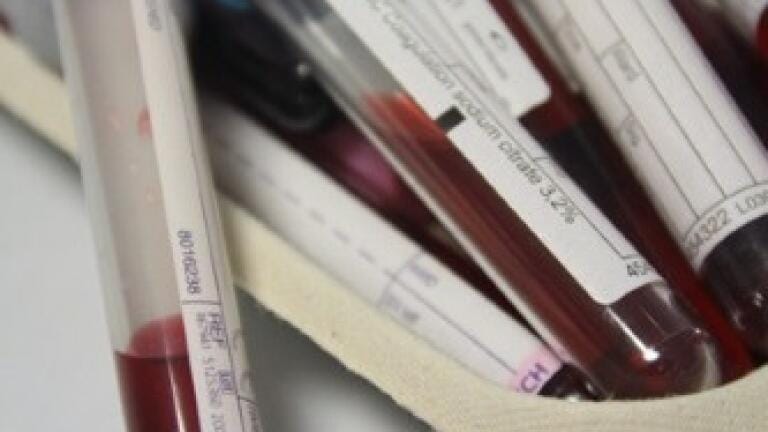
Our Future Health, the UK’s largest ever health research programme, has selected UK Biocentre to process and store up to 50 million samples collected from adults across the UK which will support vital research aiming to discover and develop new methods of early detection and treatment of diseases such as cancer, dementia, heart disease, arthritis, diabetes and stroke.
Recruiting up to five million UK adults to create a detailed picture that truly reflects the population, the research aims to pave the way for a bold new approach to healthcare in the NHS, focused on detecting life-changing conditions before symptoms appear, leading to better treatment outcomes and people living longer, healthier lives.
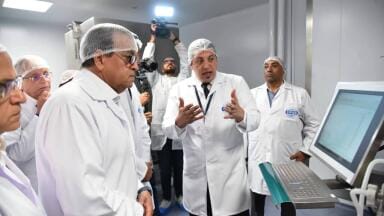
A world leader in sample processing UK Biocentre’s purpose-built laboratories in Milton Keynes will use the latest automated technologies to:
Andrew Roddam, CEO of Our Future Health, said: “We’re delighted that UK Biocentre will be one of our key partners supporting us in the processing of our participants’ blood samples and be solely responsible for the long-term ultra-low temperature sample storage. Their wealth of experience will ensure our volunteers’ samples are in good hands.”
Dr Tony Cox OBE, CEO at UK Biocentre, said: “We are delighted to support Our Future Health, a ground-breaking research programme, which will lead to more of us living healthier lives for longer. Our strong track record, expertise and scale mean we can process and store the 50 million samples from the volunteers who take part in the Our Future Health study. We look forward to playing our part and working with all partners involved on this nationally significant programme.”
UK Biocentre has a successful track record in high-capacity processing and storing samples. Its staff of 800 supported the nation’s response to the COVID-19 pandemic by testing more than 30 million samples. It stores samples for more than a hundred organisations including the Government, academic institutions, the NHS, and other research partners.
More information online
ILM 51.6 Sept 2026




 Product directory