Optical imaging
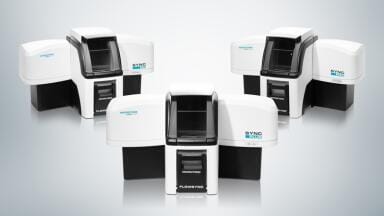
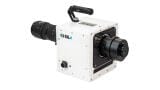
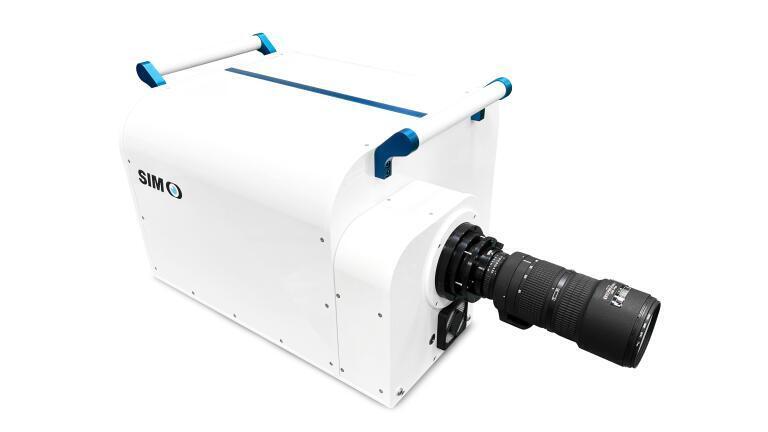
Specialised Imaging Ltd. highlights how its latest ultra-high-speed framing cameras are helping researchers capture the fleeting phenomena that underpin fusion energy research.
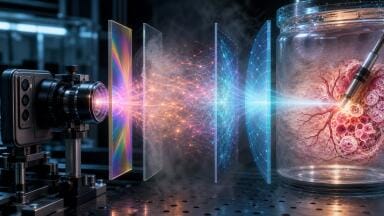
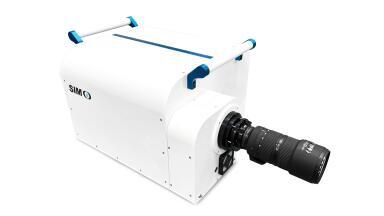
Understanding plasma behaviour inside fusion reactors requires the ability to observe events that unfold in billionths of a second. To meet this challenge, the company’s SIM camera systems are designed to deliver extremely high frame rates, nanosecond-scale exposure times and high sensitivity, enabling scientists to visualise fast transient processes such as edge-localised modes and pulsed plasma events.
Fusion plasmas often emit weak signals across a wide spectral range, making detection particularly demanding. The cameras can be configured with different sensors, filters and gain settings, allowing researchers to tailor systems to specific experimental conditions and capture ultra-fast events across multiple wavelengths.
According to Technical Director Keith Taylor, combining high quantum efficiency with ultra-low read noise is critical for reliably detecting the faint emissions typical of fusion experiments. The system’s optical design also supports up to 16 independent channels, providing flexibility without compromising image quality.
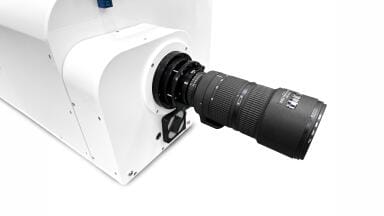
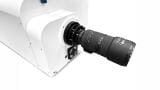
An additional optical port allows part of the captured light to be directed to a secondary instrument, such as a streak camera, enabling simultaneous data collection and more detailed analysis of rapid plasma behaviour.
By enabling precise visualisation of extreme, short-lived events, high-speed imaging technologies are playing an increasingly important role in advancing fusion research, supporting the development of future reactor designs and materials capable of withstanding harsh operating environments.
More information online
ILM 51.6 Sept 2026



 Product directory