Laboratory products
Published over 10 years ago. See the latest and most current information on Laboratory products.
California Gold Extractions specialises in the extraction and refinement of Tetrahydrocannabinol (THC) oil for the medical marijuana market in California. As part of the refinement process, the oil must be dissolved in a greater volume of ethanol and subsequently filtered. In order to then remove the ethanol, a controlled evaporation process is employed. To date, the most common method of removal has been the use of a rotary evaporator; however, as volumes increase, the time and skill required to effectively remove the ethanol also increases.
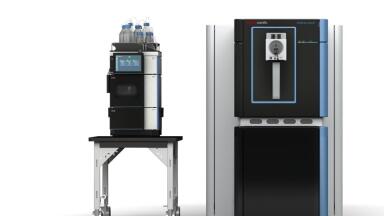
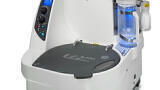
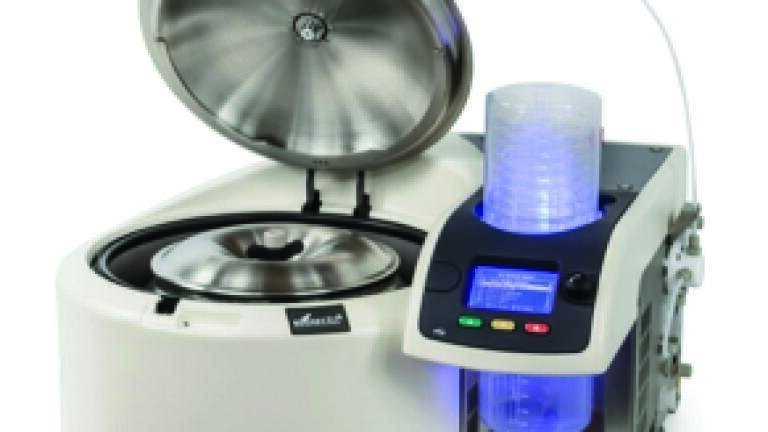
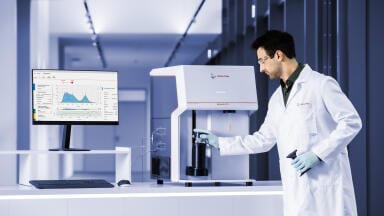
The Rocket 4D Synergy, Genevac Ltd, (Figure 1) was evaluated as a potential tool in the process of production scale up. The system provides bump free, automated evaporation as well as greater and more flexible throughput than other available evaporators. The system was tested and compared against a rotary evaporator to see if the Rocket, with these additional benefits, would match the performance of the industry standard rotary evaporator.
Raw cannabis extract is obtained by subjecting cannabis plant material to supercritical fluid CO2 (SFC) extraction, which yields raw cannabis extract. This extract contains, among other things, THC and other cannabinoids as well as a variety of fats and waxes. In order to remove these inert materials and concentrate the active ingredient(s) a refinement process, winterisation, is employed. As part of this process, the raw extract is dissolved in multiple volumes of ethanol and filtered. Following filtration, the ethanol must be removed to yield refined THC oil.
Equal volumes (2L) of winterised, dissolved extract were used in each evaporator. The temperature was set at 50°C for both evaporators. The rotary evaporator uses a water bath, while the Rocket controls heat energy input by generating low pressure, temperature controlled steam.
The rotary evaporator required some attention during the process to maintain an appropriate evaporation rate. Both the depth of the evaporation flask in the bath and the rotational rate were adjusted and the cold trap required monitoring and filling. In addition, the system had to be paused once to drain the solvent collection flask and manually stopped at end of run.
The Rocket has built-in methods that vary the operational parameters based on the solvents present. For this test the Medium Boiling Point (Med BP) method was selected. Once the extract was loaded and method selected, the system was started and no other user input was required. The Rocket controlling pressure, temperature and monitoring parameters throughout the run, stopping automatically once the process was complete.
Dried samples were analysed for residual ethanol by headspace-gas chromatography.
>>Download the article to See Table 1. The Rocket took approximately 60 min to complete evaporation, while the rotary evaporator took about 80 min. Both systems recovered roughly equal volumes of ethanol, approximately 1.4 L. In addition, both systems recovered roughly 200 mL of refined extract. (Figure 2)
Residual ethanol data for both samples can also be seen in Table 1. Overall, the Rocket sample had a slightly greater concentration of residual ethanol, however, this was within operational limits. It may be possible, by making changes to user defined parameters in the Rocket method, such as final drying time, to further optimise residual solvent going forward.
Table 1. Comparison of results: residual ethanol by headspace-gas chromatography, process time, and final extract volume.
ILM 51.6 Sept 2026




 Product directory













.jpg)

.jpg)