Showing 13 to 21 of 21 results
What is Chiral chromatography?
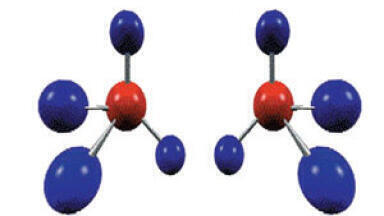
Chiral chromatography is a separation technique used to separate and analyze chiral compounds, which are molecules that exist in two non-superimposable mirror image forms called enantiomers. These enantiomers have identical physical and chemical properties but exhibit different interactions with other chiral molecules, such as those found in biological systems.
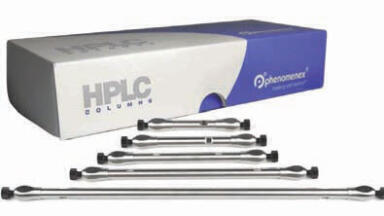
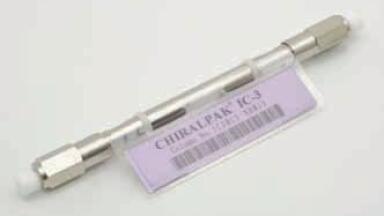
In chiral chromatography, the stationary phase is typically a chiral compound or a chiral selector that interacts selectively with one enantiomer over the other. This interaction causes the enantiomers to elute from the chromatographic column at different rates, leading to their separation. Common types of chiral chromatography include normal-phase chiral chromatography, reversed-phase chiral chromatography, and supercritical fluid chromatography.
Chiral chromatography is widely used in various fields such as pharmaceuticals, agrochemicals, food chemistry, and environmental analysis to analyze and separate chiral compounds for research, quality control, and regulatory purposes. It plays a crucial role in drug development and manufacturing, where the separation of enantiomers is essential to ensure the efficacy and safety of pharmaceutical products.
ILM 51.6 Sept 2026



 Product directory