Chromatography
Published over 8 years ago. See the latest and most current information on Chromatography.
Every year, the World Health Organisation pinpoints the most infectious diseases that could threaten humankind over the next 12 months. The study is fronted by an expert committee and exists to help prioritise research on untreated diseases that pose a major threat to global health.
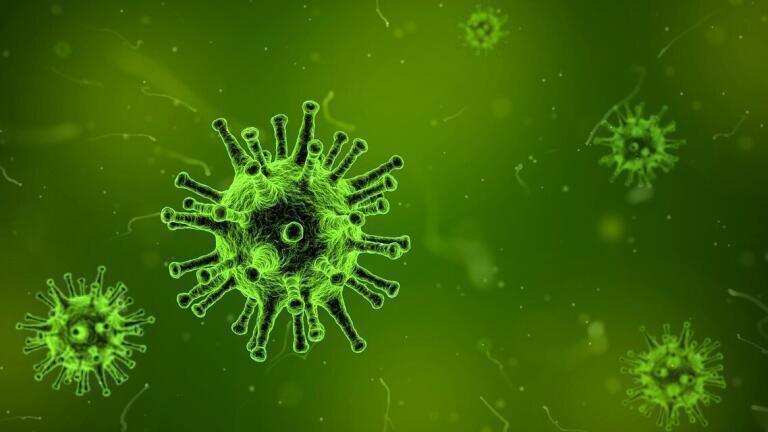
This year, the committee targeted a handful of familiar threats, including Zika and Ebola, as well as Lassa Fever and MERS. However, there was also one particularly mysterious threat, which experts have labelled Disease X. It refers to a mystery disease and represents the concept that even when armed with the most advanced medical technology, it's impossible to predict certain epidemics. Basically, Disease X is a placeholder for a brand-new pathogen that could emerge as a global threat.
Previous examples of Disease X include Nipah virus, which appeared in Malaysia in the late 90s and took scientists completely by surprise. China's 2009 thrombocytopenia syndrome outbreak was another Disease X scenario, as was a US- based tick-borne pathogen epidemic known as Heartland virus.
The nature of Disease X means that scientists will be unable to predict what it is, or where it comes from. That said, there is a high chance that Disease X could be introduced by animals. They're known as zoonotic diseases and are present in both wild and domestic animals. HIV was borne as a zoonotic disease, with scientists speculating that it was likely transmitted to humans via wild chimpanzee flesh. Ebola is also a zoonosis disease, transmitted to humans when a child in Guinea was bitten by an infected bat. As around 70% of new diseases are zoonotic, the chances of Disease X being animal borne is high.
Of course, there's also a chance that Disease X could come from humans. The concept of bioweaponry has existed since 1500 BC, when the Hittites sent plague-infected humans into enemy territories. The US and Russia have also toyed with biological warfare, with the Soviets favouring anthrax, an infection caused by a spore-forming bacterium that attacks the skin, lungs and intestines. North Korea has also caused concern with biological nerve agents like VX.
With so many different threats, carriers and scenarios to consider, forecasting the specifics of Disease X is by default, impossible. At this stage, the best defences are new technologies, out the box thinking and supercharged research into treatments, cures and vaccines.
Want to know more about that latest scientific breakthroughs helping to fight disease? 'Visiting the 15th International Symposium on Hyphenated Techniques in Chromatography and Separation Technology (HTC-15)' offers an overview of 2018's conference held in Cardiff City.
ILM 51.6 Sept 2026




 Product directory