Columns
Published over 9 years ago. See the latest and most current information on Columns.
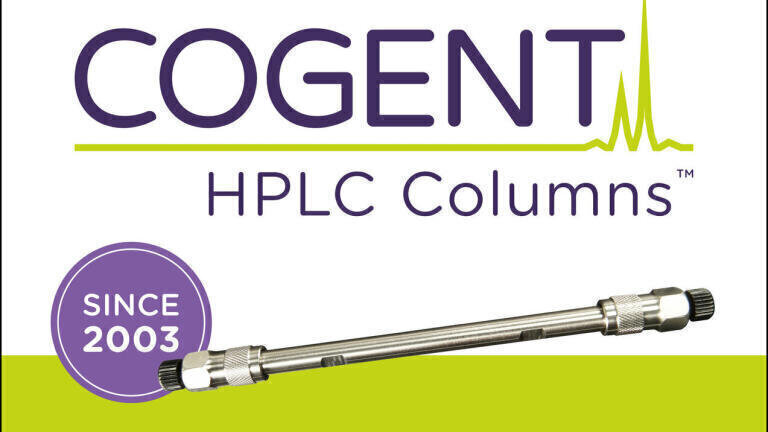
For the HPLC separation of polar molecules Cogent TYPE-C HPLC columns have proved themselves to be useful tools for the liquid chromatographer. The new Cogent columns catalogue is now available. This 48-page technically-focused catalogue includes a description of the features and benefits of TYPE-C Silica phases, which are based on silicon-hydride surface chemistry and are ideal for the separation of polar compounds. The catalogue also includes application notes, descriptions of the available techniques, a bibliography of publications, as well as a full list of column part numbers and many other new items.
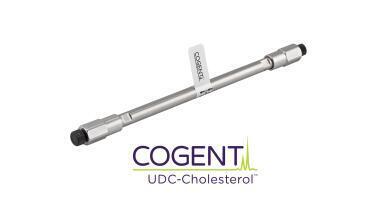
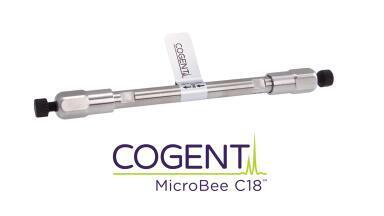
New items featured in this catalogue include:
This brand new catalogue also launches the exciting new Cogent branding for TYPE-C HPLC columns.
To order your printed copy or to download an electronic copy of the new Cogent Columns catalogue click here.
For further information on any MicroSolv product (including Cogent columns, RSA vials and Soft-Guard caps plus many other products) please contact Hichrom on +44 (0)118 930 3660 or e-mail us at [email protected] or [email protected].
ILM 51.6 Sept 2026





 Product directory