Company news
Vertex Pharmaceuticals Incorporated presented updated clinical data for zimislecel – VX-880) – its investigational stem cell-derived islet cell therapy for type 1 diabetes (T1DM), at the 85th Scientific Sessions of the American Diabetes Association (ADA), held in Chicago, Illinois in June.
The findings came from 12 patients who had received a full dose of zimislecel as a single infusion and had been monitored for a minimum of one year, as of October 2024. All participants lived with T1DM complicated by impaired hypoglycaemic awareness and a history of severe hypoglycaemic events (SHEs).
Key outcomes included:
Among the study participants zimislecel was generally well tolerated, with most adverse events were mild to moderate in severity, with none were attributed to zimislecel. Two unrelated deaths previously reported were not linked to the treatment. The overall safety profile was consistent with expectations for the immunosuppressive regimen, the infusion procedure, and complications arising from long-standing diabetes.
“These data on the first fully differentiated, stem cell-derived, off-the-shelf islet cell therapy continue to be unprecedented,” said Dr Carmen Bozic, executive vice president, Global Medicines Development and Medical Affairs, and chief medical officer at Vertex.
“The magnitude, consistency and durability of the results from all 12 patients with more than one year of follow-up reinforce the transformative potential of zimislecel for people living with T1DM complicated by severe hypoglycaemia,” she added.
Type 1 diabetes results from the autoimmune destruction of insulin-producing beta cells. The resulting insulin deficiency causes hyperglycaemia and raises the risk of acute complications such as diabetic ketoacidosis. People with T1DM depend on lifelong insulin therapy and close blood glucose monitoring.
However, even with modern delivery and monitoring systems, achieving stable glycaemic control remains difficult. Poorly controlled T1DM can result in life-threatening hypoglycaemia and long-term complications including cardiovascular disease, stroke, renal failure and blindness.
“It is remarkable to see 12 of 12 patients with raised baseline HbA1c and multiple SHEs reach glycaemic targets by both HbA1c and time in range, as well as eliminate SHEs. These findings give me hope for a meaningful new therapeutic option for individuals with T1DM,” said Dr Michael R Rickels, medical director of the Pancreatic Islet Cell Transplant Programme at the University of Pennsylvania’s Perelman School of Medicine and co-chair of the zimislecel clinical programme steering committee.
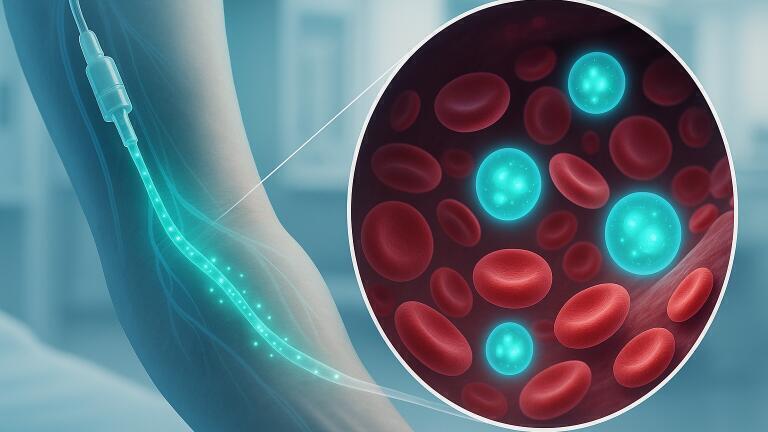
Zimislecel is an investigational, allogeneic, stem cell-derived, insulin-producing islet cell therapy manufactured using proprietary Vertex technology. It is delivered via infusion into the hepatic portal vein and requires chronic immunosuppression to prevent rejection. Zimislecel is being evaluated in patients with T1DM who experience impaired hypoglycaemic awareness and severe hypoglycaemia.
The programme has expanded to active trial sites in the United States, Canada and Europe. Zimislecel has received Regenerative Medicine Advanced Therapy and Fast Track designations from the US Food and Drug Administration, PRIME status from the European Medicines Agency, and an Innovation Passport from the UK Medicines and Healthcare products Regulatory Agency. The therapy remains investigational and is not yet approved by regulatory authorities.
For further reading please visit: 10.1056/NEJMoa2506549
ILM 51.6 Sept 2026



 Product directory




























.jpg)
