
Company news
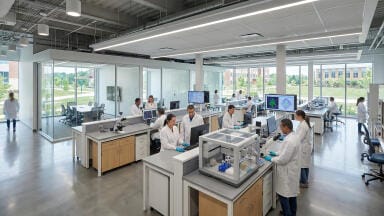
Successful laboratories are shaped long before the first sample is analysed. Careful planning, close collaboration and a clear understanding of future requirements are often what determine whether a laboratory will perform successfully for decades. As Köttermann marks its 80th anniversary, the company presents three perspectives on modern laboratory infrastructure, drawn from recent projects and current industry thinking.
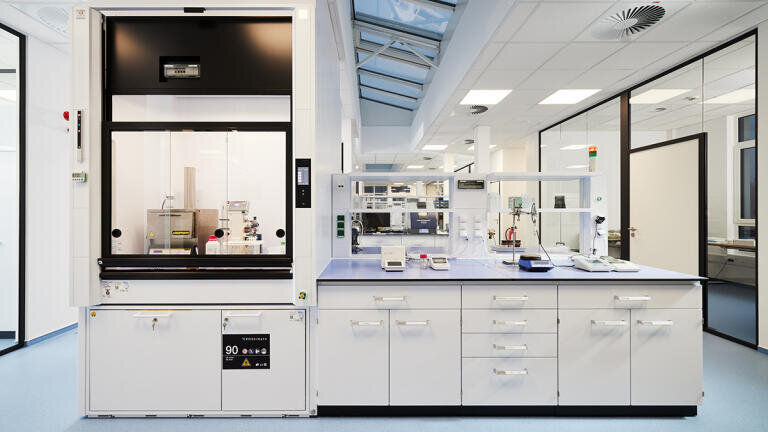
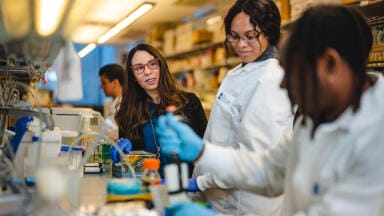
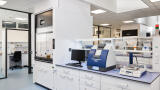
The first case study focuses on the new laboratory facilities of Repha Biologische Arzneimittel (Repha Biological Pharmaceuticals). From the earliest planning stages, laboratory staff were actively involved alongside architects and planners. Their practical experience helped shape the final concept and ensured that the laboratory supports everyday workflows effectively. A particular feature of the project is an innovative air management concept. The Köttermann fume cupboards are integrated into the ventilation and temperature control system, helping to maintain consistent air quality throughout the laboratory. As a result, the fume cupboards not only provide protection during critical laboratory procedures but also contribute to a healthy working environment.
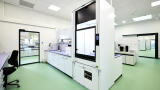
The second case study highlights the new laboratory building of the Municipal Wastewater Department of Schweinfurt. The project required close coordination between the departments responsible for drinking water and wastewater analysis. Large floor-to-ceiling windows bring natural daylight deep into the building and create an open working atmosphere. Strong cooperation between all project partners was a key success factor throughout the project and contributed to a result that was met with great approval.
The anniversary insight explores how laboratory infrastructure is changing. As Köttermann celebrates 80 years, the company looks at the growing role of connected laboratory environments. Equipment, energy monitoring and safety functions are increasingly linked through digital systems. Real-time data provides greater transparency, supports informed decision-making and helps identify optimisation potential within laboratory operations. Modern fume cupboards, for example, can contribute to reducing energy consumption through intelligent airflow control while simultaneously supporting laboratory safety through integrated monitoring and protection systems.
Whether you are planning a new laboratory, modernising existing facilities or looking for inspiration for future projects, these documents provide valuable insights drawn from practical experience.
Download all three documents and discover how modern laboratory infrastructure is supporting the next generation of laboratory environments.
ILM 51.6 Sept 2026



 Product directory



















.jpg)
