Laboratory products
Published over 14 years ago. See the latest and most current information on Laboratory products.
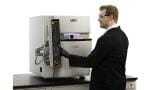
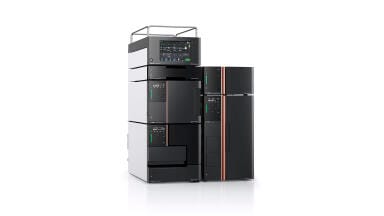
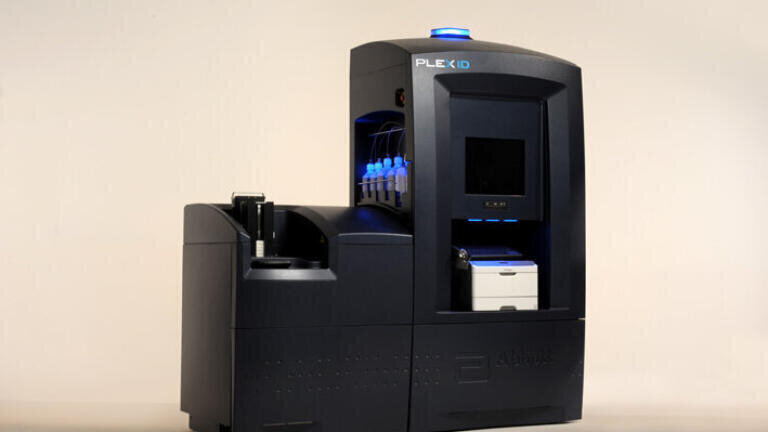
Abbott announced today it has obtained CE Marking (Conformité Européene) in the European Union to market its rapid, high-throughput PLEX-ID™ instrument, along with three assays for use on the system: PLEX-ID Viral IC Spectrum, PLEX-ID BAC Spectrum BC and PLEX-ID Flu.
PLEX-ID, which is based on molecular diagnostic technologies, addresses a significant unmet need for rapid detection and identification of a broad range of microbes that cause infections in patients. It provides results in less than eight hours instead of the days or even weeks required for traditional culture methods. The unique advantage of the system is the ability to characterise a very wide range of microorganisms directly from clinical specimens, thus minimising both the amount of time and laboratory work required to provide physicians important information they can use to best tailor treatment for the patient.
"Ensuring that patients receive the most appropriate antimicrobial therapy as rapidly as possible has the potential to reduce inappropriate antibiotic prescribing, and help to reduce or slow the development of resistant bacterial strains," said Jacques Schrenzel, MD, Head of the Bacteriological Laboratory, University Hospital Geneva in Geneva, Switzerland.
"PLEX-ID is the only available diagnostic technology that is capable of identifying a wide range of bacteria, viruses, fungi, and certain parasites in hours," said Murthy Simhambhatla, PhD, Head of Abbott’s Ibis Biosciences business. "The introduction of the PLEX-ID provides physicians and laboratorians a revolutionary new platform for the rapid etiologic identification of a wide variety of pathogens in patients."
Research presented in several global scientific venues has shown that the
PLEX-ID technology offers rapid detection and characterisation of a wide range of pathogens, which can be extremely important in patients who have an impaired immune system such as those with cancer or patients who have had a transplant.
ILM 51.6 Sept 2026




 Product directory