Analysers
For laboratories routinely measuring mercury, technique selection can have a direct bearing on sample throughput, analytical reliability and overall cost per result. Traditional dedicated mercury analysers based on CV-AAS or AFS, as well as ICP-MS, remain well established for liquid samples, particularly where mercury is present at low levels. However, for many liquid and solid matrices, additional sample preparation is required, often involving microwave digestion.
The volatility of mercury means that digestion-based workflows must be carefully controlled. If the optimum preparation approach is not used, analyte loss and poor recoveries can occur, increasing the risk of reruns and adding pressure to laboratory time, resource and efficiency.
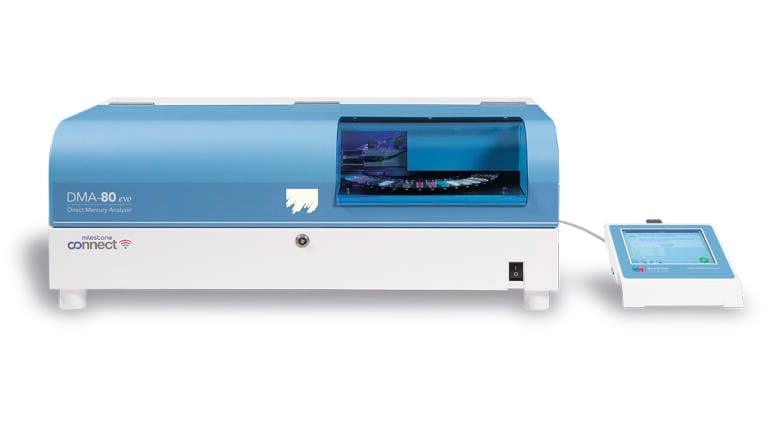
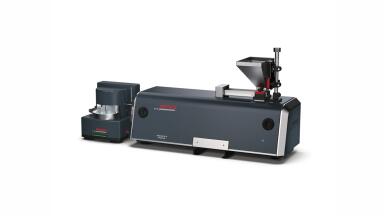
An industry report from Analytix examines the running costs of the Milestone DMA-80 Direct Mercury Analyser in comparison with CV-AAS/AFS and ICP-MS. The study considers the full cost of analysis, including sample preparation, instrument calibration and running times, while comparing the productivity of each technique across approved methods.
According to the report, the DMA-80 system can deliver a cost saving of almost 90% per sample compared with traditional CV-AAS/AFS workflows. For laboratories managing high sample volumes, such reductions could make a meaningful contribution to long-term return on investment.
Contact Analytix for a copy of the industry report.
More information online
ILM 51.6 Sept 2026


 Product directory


.jpg)
.jpg)










.jpg)
.jpg)




.jpg)
