
Sample preparation
What is the difference between crude fat and total fat?
Fat determination is one of the most common analyses performed in food and feed laboratories. Laboratories measure fat content for nutritional labelling, quality control, regulatory compliance, and product development.
Although "fat content" is often reported as a single value, different analytical methods measure different lipid fractions. The two most common approaches are crude fat determination and total fat determination.
Selecting the appropriate method depends on the sample composition, the analytical objective, and the reference method being followed.
1) Crude Fat: What Direct Solvent Extraction Measures
Crude fat is determined by extracting lipids directly from the sample with an organic solvent such as petroleum ether or hexane.
This method recovers free solvent-soluble lipids, including triglycerides, oils, waxes, and other extractable compounds. It is standardised by several AOAC and ISO reference methods and is widely used for routine analysis because it provides good repeatability with relatively short analysis times.
Direct solvent extraction is commonly applied to:
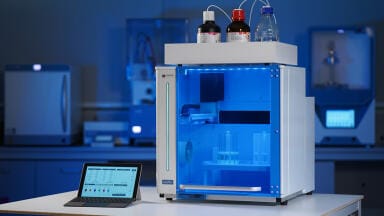
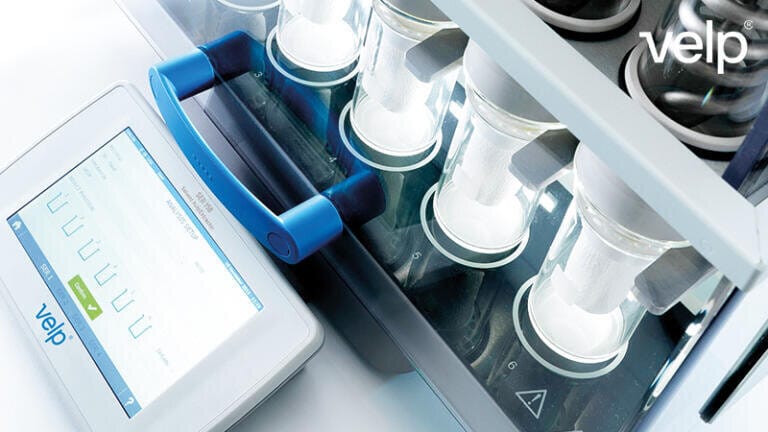
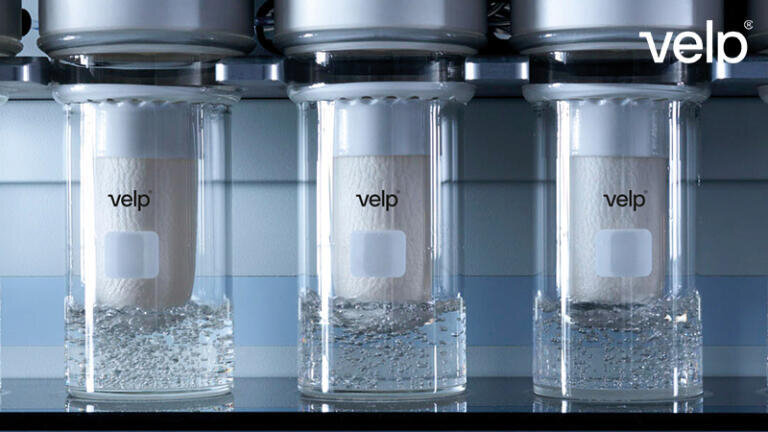
Automated solvent extractors such as the Velp SER 158 Auto-Extractor streamline the analytical workflow by automating extraction, rinsing, solvent recovery, and drying. Automation reduces manual handling, improves method standardisation, and increases sample throughput while lowering solvent consumption.
2) Total Fat: Why Acid Hydrolysis Is Sometimes Required
Some food matrices contain lipids that cannot be extracted directly with organic solvents.
In products rich in proteins or carbohydrates, a portion of the lipids remains physically or chemically bound to the sample matrix. These include:
Because these lipids are not readily accessible, direct solvent extraction alone may underestimate the actual fat content. For this reason, total fat determination includes a preliminary acid hydrolysis step before solvent extraction. Hydrolysis breaks down the sample matrix, releasing bound lipids so they can be extracted and measured.
This combined approach provides a more complete determination of fat content and is required by many official analytical methods for specific food products.
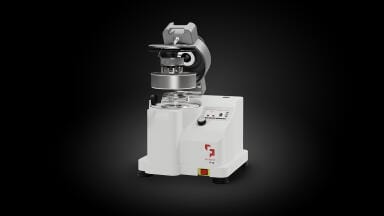
Velp supports both stages of the workflow. The HU 6 Hydrolysis Unit automates acid hydrolysis according to international reference methods, while the SER 158 Automatic Solvent Extractor performs automated solvent extraction. Together, they provide a complete workflow for total fat determination.
The appropriate method depends on the sample and the analytical objective.
Choose crude fat determination when:
Choose total fat determination when:
Understanding the difference between crude fat and total fat helps laboratories select the most appropriate analytical workflow for each food or feed matrix.
By combining standardised analytical methods with automated extraction systems, laboratories can improve method consistency, increase sample throughput, reduce manual operations, and obtain reliable fat determination results across a broad range of applications.
Contact the experts to discuss your samples, analytical requirements, and the most suitable extraction workflow.
ILM 51.6 Sept 2026



 Product directory


.jpg)
.jpg)