Laboratory products
Published over 4 years ago. See the latest and most current information on Laboratory products.
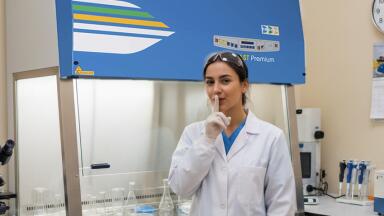
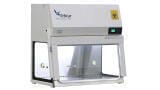
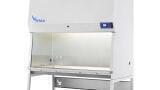
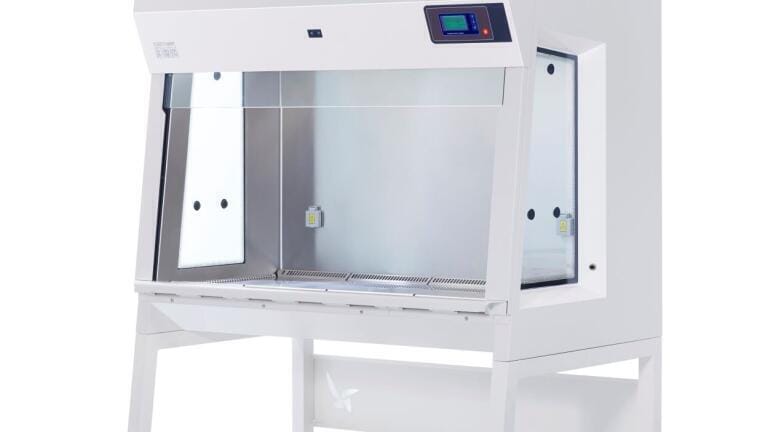
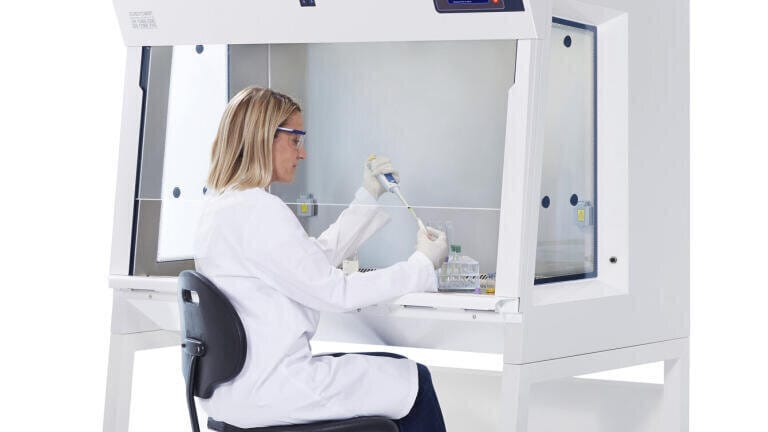
The complete range of Telstar’s biological safety cabinets - Bio II Advance Plus and BiOptima - incorporates ZEROCOAT, a new antimicrobial bacteriological barrier, as a standard treatment applied in the work area. ZEROCOAT is a new photocatalytic treatment based on titanium dioxide which has been implemented by Telstar inside biological safety cabinets designed to operate with risk 1, 2 and 3 biological agents (viruses and bacteria or infectious material).
ZEROCOAT is the new treatment that provides a self-cleaning surface which breaks down organic matter when the light system is triggered. This activation, which can be either with white or ultraviolet light, makes organic matter oxidise naturally, safely and instantly at the molecular level. This provides it with particularly significant attributes in terms of bacterial protection, cleanliness and maintenance, durability and costs.
Existing antimicrobial coating systems for laboratory cabinets are composed of high levels of silver particles, which are applied exclusively to painted surfaces on the outside of the equipment. In contrast, the innovative ZEROCOAT treatment is incorporated on the inside of the cabin to fully protect the work surface and, among other variables, endows the stainless steel that surrounds the chamber`s interior with a high potential antimicrobial power.
The photocatalyst power of ZEROCOAT has been validated through an exhaustive battery of tests carried out in Telstar’s R&D department. The new treatment has been applied on different surfaces exposed to different types of light and wavelengths and the different organic compounds were subsequently checked for degradation. The results were then compared to tests carried out on untreated surfaces. In addition, the resistance of the new treatment to standard cleaning procedures in a cabinet and stability over a period of time has also been validated.
ILM 51.6 Sept 2026




 Product directory


.jpg)










.jpg)