Laboratory products
Published over 13 years ago. See the latest and most current information on Laboratory products.
During the recent horsemeat scandal in Europe, the European Health Commissioner called on all 27 member states to carry out DNA tests on beef products to see if they contained horse meat. European Union ministers promised rapid DNA food testing to restore consumer confidence.
There are 2 methods used to detect different species of meat within food, ELISA (detecting animal protein) and PCR (detecting animal DNA). ELISA requires different test kits depending on species and whether the meat is cooked or raw. DNA testing has higher detection and almost 100% specificity. PCR thermal cyclers allow short sections of DNA called primers (specific to a particular animal) to bind to animal DNA in a food sample. The PCR thermal cycler then facilitates the animal DNA to be copied many times in order to be detected.
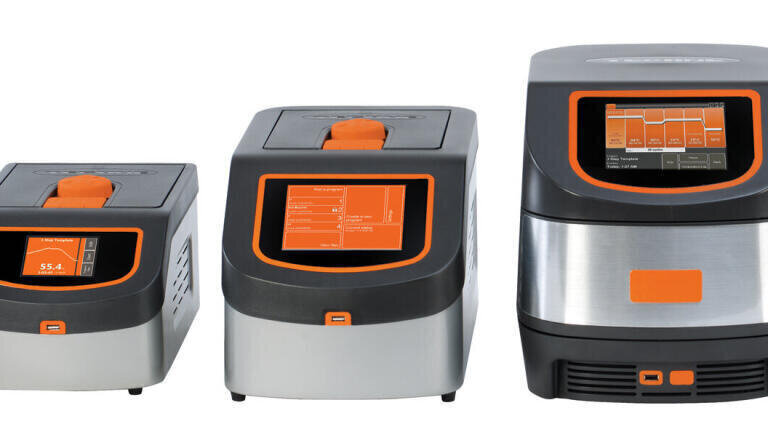
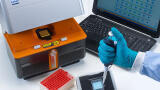
Depending on speed and throughput required, different versions of Techne Prime thermal cyclers are available. Capacity ranges from 18 to 384 samples per experiment.
Using the Techne Prime thermal cycler, four samples of DNA extracted from minced beef were tested for the presence of beef, horsemeat and pork. The gel images below show that all samples were free from horsemeat. However, all samples contained some pork contamination.
ILM 51.6 Sept 2026



 Product directory


















.jpg)
