Laboratory products
Published over 8 years ago. See the latest and most current information on Laboratory products.
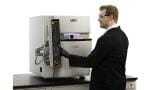
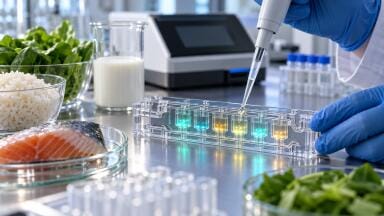
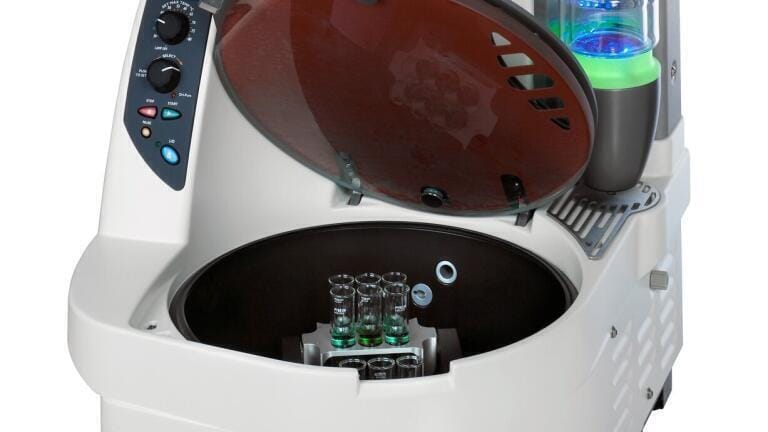
Genevac has published a customer report that describes an evaporative sample preparation protocol for highly sensitive analytical methods used to test foodstuffs, principally meat, fish and shellfish, for the presence of antibiotics.
The analytical method calls for good upstream sample preparation to eliminate the effects of the matrix, and can be manual and time consuming, particularly where evaporation is concerned.
The authors describe how the installation of the Genevac EZ-2 evaporator in their laboratory is estimated to save the laboratory 2-3 hours per day that previously was spent on evaporation tasks. The evaporator has also enabled the processing of larger sample series within a given day and significantly reduced the contamination (carry-over) issue.
Accurate analytical results are critical to ensure the quality and safety of food and beverages. To ensure accurate repeatable results careful sample preparation is critical, especially when the analyte of interest is volatile. Genevac evaporator systems are proven in a growing number of food and beverage applications, from testing constituents of beverages such as Cognac or gluten levels in Whisky, determining pesticide levels in fruit and vegetables to analysing for antibiotic residues in meats or vitamin levels in cereals.
To download a copy of the customer report please visit www.spscientific.com/ContentBlock.aspx?id=3315.
ILM 51.6 Sept 2026




 Product directory