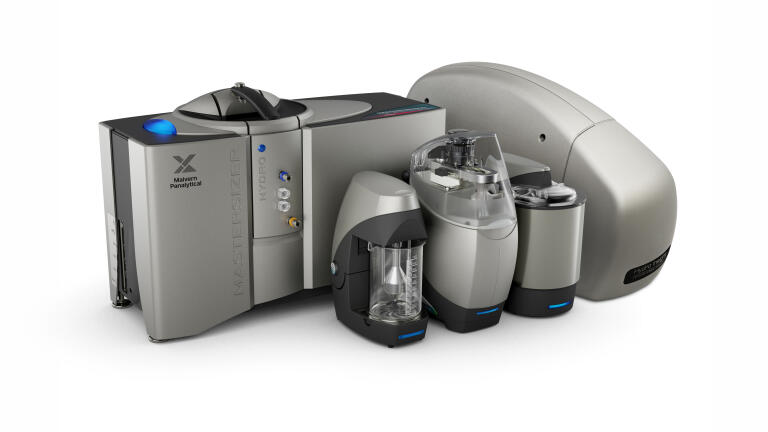
Laboratory products
Accurate particle size analysis is crucial in research, development, and manufacturing across a wide range of industries. From pharmaceuticals to paints and coatings, particle size affects key properties such as dissolution rate, stability, colour, texture, and flowability. Selecting the correct sizing technique ensures not only product quality but also compliance with regulatory requirements.
When choosing a particle sizing technique, start by defining your goals. What do you want to achieve? Whether it's detecting agglomerates or controlling the fine particle fraction, your objectives will guide you to the right techniques with the necessary sensitivities.
Even if you're limited by the techniques available, understanding their strengths and weaknesses ensures you get realistic and robust results. Key factors to consider include the size range the instrument can measure, the types of samples it can handle (dry powders, suspensions, emulsions, and sprays), and the technique's sensitivity (number or volume based). Also, think about the accuracy and precision you can expect.
Practical considerations are just as important. How many measurements do you need to perform each day? How long will each measurement take? How much sample dilution is required? And do you need additional information, like particle shape?
This guide explores the most widely used particle sizing methods and offers insight into how to select the best approach for your materials and objectives.
1. Laser diffraction
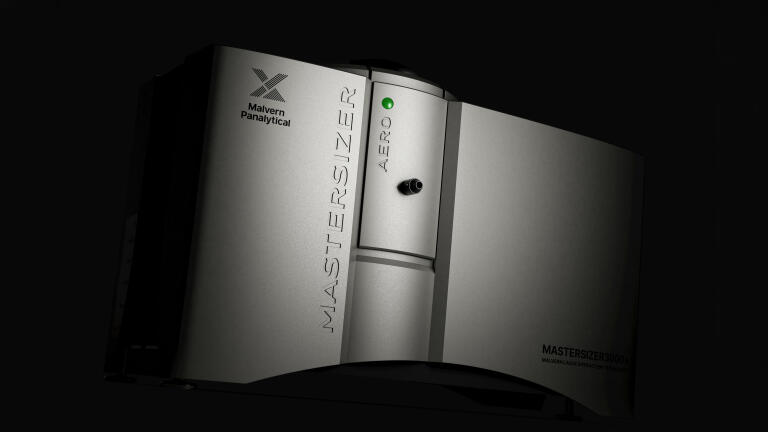
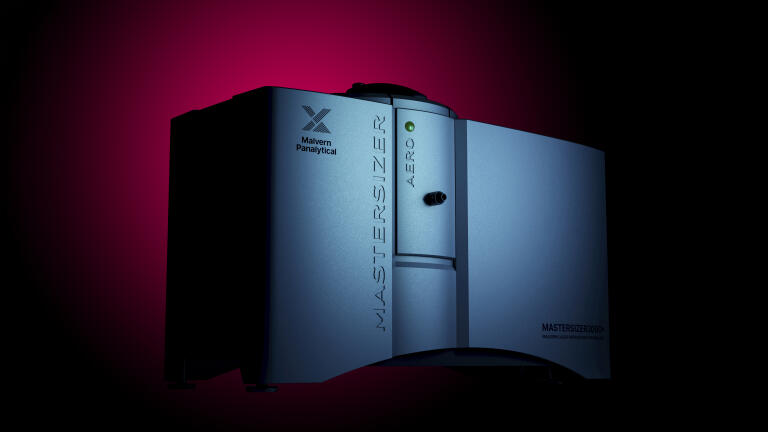
Laser diffraction is one of the most widely used techniques due to its broad dynamic range and ease of use.
Example applications: Pharmaceuticals, paints and pigments, food, building materials, Polymers
2. Dynamic light scattering (DLS)
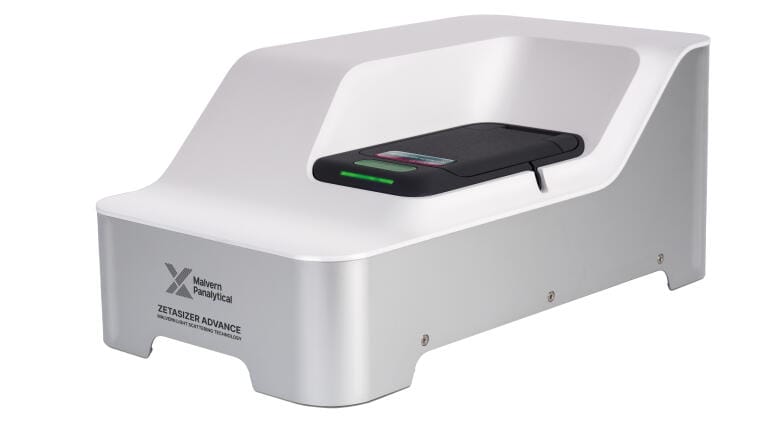
DLS is the technique of choice for measuring nanoparticles and colloidal suspensions.
Example applications: Biopharmaceuticals, drug delivery systems, cosmetic emulsions, polymer dispersions
3. Imaging techniques
Imaging techniques provide visual and quantitative information about particle size and shape.
Example applications: Pharmaceutical powders, abrasives, food ingredients, mineral samples
Other particle sizing methods
In addition to the primary techniques above, other methods may be relevant depending on the application:
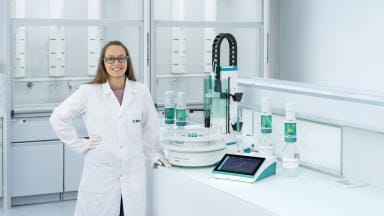
Dr Anne Virden, Product Manager, Analytical Imaging, Malvern Panalytical explains:
“There’s no one-size-fits all solution when it comes to particle sizing. Each technique offers unique insights. Often, a combination of methods gives the clearest picture of a material’s properties.”
Dr Virden emphasises that understanding not just how each technique works but also when and why to use them is key to achieving reliable results and informed process decisions.
Conclusion
Whether you're formulating a pharmaceutical tablet, developing a coating, or controlling the consistency of a food product, choosing the right particle sizing technique can make or break your outcome. By aligning the method with your material characteristics, goals, and process requirements, you can ensure precision, consistency, and regulatory compliance.
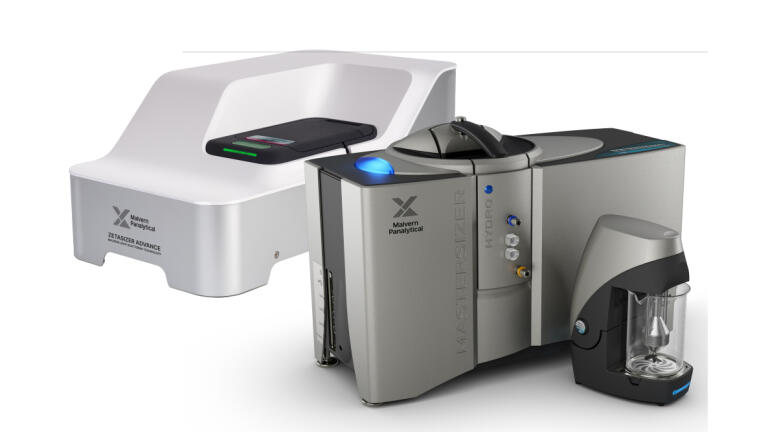
Malvern Panalytical offers a full suite of particle sizing solutions, from laser diffraction to nanoparticle tracking, supported by expert consultation and ongoing training.
Particle size analysers from Malvern Panalytical
More information online
ILM 51.6 Sept 2026



 Product directory


















.jpg)
