Laboratory products
Published over 4 years ago. See the latest and most current information on Laboratory products.
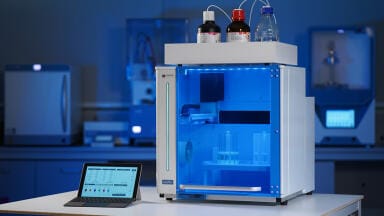
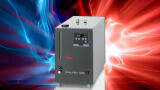
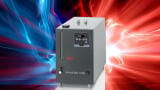
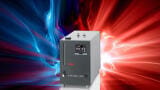
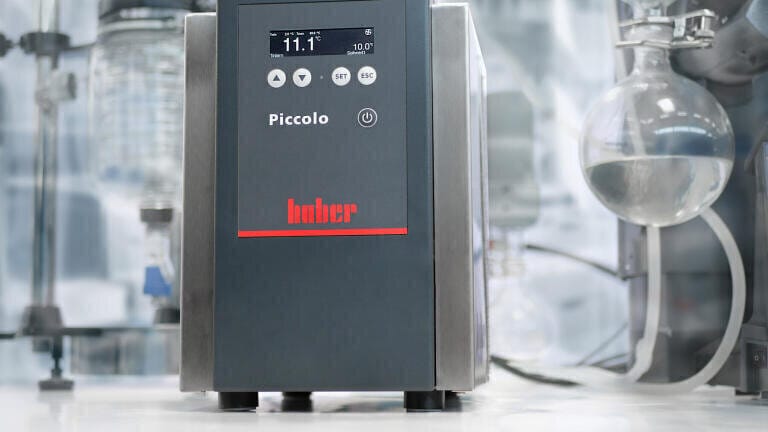
Huber Kältemaschinenbau presents an ultra-compact laboratory chiller without refrigerants.
Ultra-compact, easy to handle and versatile – the new Piccolo chiller convinces entirely with state-of-the-art thermoelectric Peltier technology. This technology enables accurate and rapid heating or cooling, entirely without refrigerant, which is a clear benefit for the environment. Furthermore this model is maintenance-free.
With working temperatures of 4 to 70°C and cooling capacities up to 280 W at 20°C, the new Piccolo model is extremely versatile, for example in analysis, quality control, research laboratory, and material tests.
Thanks to modern fan technology, the Piccolo chiller is extremely quiet in operation and hardly requires any floor space. The device impresses with small dimensions, but also with low weight and intuitive operation via the new OLÉ controller. Equipped with OLED display, USB and RS232 interface, the Piccolo is also capable of demanding tasks.
ILM 51.6 Sept 2026




 Product directory