Laboratory products
Published over 15 years ago. See the latest and most current information on Laboratory products.
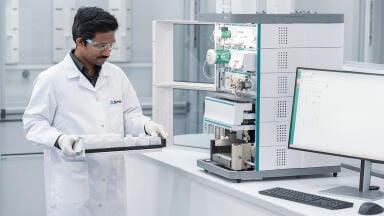
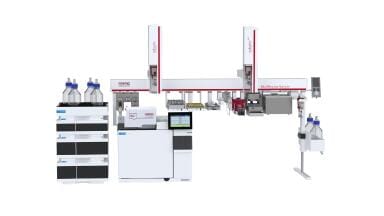
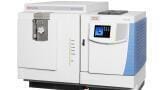
Dionex is proud to announce a newly developed method that can fully recover low concentrations (< 1 μg/L) of three microcystins (-RR, -YR, and -LR) when added to water samples. Application Note 261: Sensitive Determination of Microcystins in Drinking and Environmental Waters demonstrates recovery at lower concentrations than the maximum recommended by the World Health Organisation (WHO). This method is fully automated and easily configured on an UltiMate® 3000 ×2 Dual HPLC system, using Acclaim® PA2 columns for solid-phase extraction (SPE) and analysis.
Microcystin contamination of drinking water at low nanomolar concentrations is considered a risk factor for cancer; therefore, WHO has proposed a provisional guideline concentration of 1.0 μg/L for microcystin-LR in drinking water. This new target-cut on-line SPE method with dual function (analyte capture and partial separation) operates under automatic control of Chromeleon® Chromatography Data System (CDS) software and offers full automation, absence of operator influence, and strict process control.
Lab Asia 33.6 Dec

 Product directory