Laboratory products
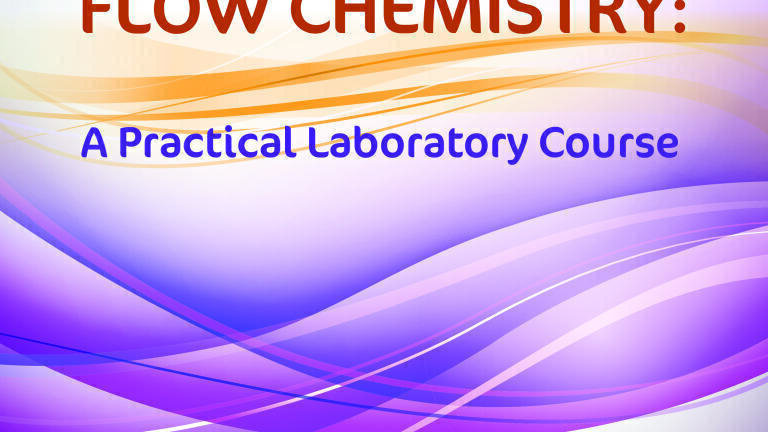
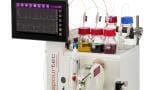
A new flow chemistry teaching manual is now available to download free of charge, offering hands-on guidance for the next generation of chemists. Developed by Vapourtec in collaboration with Dr Nicholas Leadbeater and the New Synthetic Methods Group at the University of Connecticut, the 100-page manual provides step-by-step instructions for ten reactions — including two Nobel Prize-winning transformations: a palladium-catalysed cross-coupling and a ruthenium-catalysed alkene metathesis.
“This manual is designed to introduce students to the immense potential of continuous flow synthesis,” said Vapourtec founder and MD Duncan Guthrie. “Each experiment can be run using Vapourtec’s E-Series flow chemistry system, and we wanted to make this resource freely available online so it can reach as many future chemists as possible.”
Dr Leadbeater added:
“Flow chemistry opens exciting opportunities for both academic and industrial labs. It’s essential that chemists of tomorrow gain hands-on experience with this powerful technique — which is why we developed this practical teaching guide for undergraduate laboratories.”
Download your free copy of ‘An Introduction to Flow Chemistry – A Practical Laboratory Course’ and explore hands-on flow chemistry today.
More information online
ILM 51.6 Sept 2026





 Product directory


















.jpg)