Research news
Decoy increases effectiveness of treatment in B-cell acute lymphoblastic leukaemia
B-cell Acute Lymphoblastic Leukaemia (B-ALL) is a life-threatening and highly aggressive form of blood cancer. It is the most common childhood cancer, making up 35% of paediatric oncology cases. However, it can affect people at any age. While CAR-T cell therapy has improved outcomes for many B-ALL patients relapse still occurs in more than 50% of cases, leaving many with reduced options for further treatment.
A key issue that researchers are investigating is why CAR-T cells – which are often describe as a ‘living medicine’ – can sometimes fail to respond to cancer cells. Now, a promising lead has emerged from examining the interaction between tumour and immune cells, including CAR-T cells.
Recent research suggests that B-ALL tumours can take advantage of the body’s natural defence mechanisms, specifically the immune checkpoint pathways. These pathways usually act as ‘off switches,’ telling immune cells to stop attacking once an infection or other threat has been cleared.
However, tumours can hijack this system to avoid being attacked by the immune system.
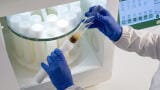
In CAR-T therapy, T-lymphocytes are extracted from the patient’s blood in the laboratory in the process of leukapheresis and modified to specifically recognise and target cancer cells. The modified T-lymphocytes are then infused into the patient’s body.
In the case of B-ALL, researchers have discovered that relapsed leukaemia cells have unusually high levels of the ligand galectin-9 – part of the immune checkpoint pathways.
CAR-T cells also express high levels of TIM-3, a receptor that normally interacts with galectin-9 to suppress immune activity. The tumour seems to use this interaction to ‘turn off’ the CAR-T cells, allowing the cancer to persist.
To address this problem, researchers created a TIM-3 decoy – a soluble version of the TIM-3 protein – which could block the ligand-receptor interaction. The idea was that this decoy would prevent the tumour from turning off the CAR-T cells, without directly signalling them to stop their immune activity.
In laboratory tests using genetically modified mice with human B-ALL cells, the results were promising. CAR-T cells engineered to secrete the TIM-3 decoy showed improved anti-leukaemia effectiveness and long-term persistence.
Although still in the preclinical stage, this research marks an important first step toward improving treatments for B-ALL patients. The goal is to enhance the effectiveness of CAR-T therapy and reduce the frequency of relapses. This approach could also pave the way for developing so-called ‘armoured CAR-T cells’ and expanding the technology’s potential for CAR-T therapy to treat solid tumours.
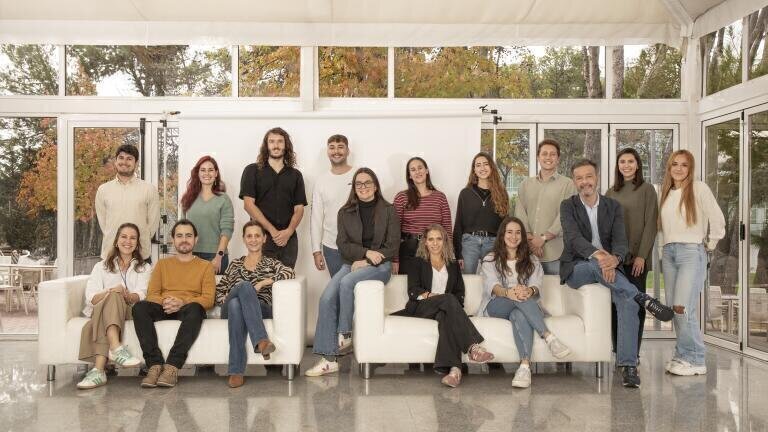
This international study has been led by researchers from the Josep Carreras Leukaemia Research Institute and the Hospital Universitario 12 de Octubre – Spanish National Cancer Research Centre (CNIO), in collaboration with Salamanca University, Hospital Clinic, and other Spanish and European research institutions. The research team was led by Aïda Falgàs, Rodrigo Lázaro-Gorines and Samanta Romina Zanetti, under the supervision of Pablo Menéndez, Clara Bueno, and Luis Álvarez-Vallina.
For further reading please visit: 10.1182/blood.2024025440
ILM 51.6 Sept 2026




 Product directory
















,-photo-Karin-Allander.jpg)