Research news
Researchers in Sweden have developed an artificial intelligence model that uses blood metabolites from autopsy samples to estimate the post-mortem interval with a precision of around one day, even up to 13 days after death
Artificial intelligence (AI) has enabled researchers in Sweden to estimate the time of death with a level of precision that may transform future forensic investigations. Scientists at Linköping University, Östergötland, Sweden and the Swedish National Board of Forensic Medicine (SNBFM), Stockholm, have trained a computational model to analyse patterns of small molecules in blood samples that are collected at autopsy.
The work centred on metabolites – the small molecules that arise from chemical processes in the body. After death, tightly regulated biological systems cease to function. Cells lose integrity, enzymes act unchecked, and hence organs and tissues begin to degrade. These processes alter the concentration of metabolites in blood in ways that follow measurable and time-dependent trajectories. By identifying and modelling these biochemical shifts, the researchers have demonstrated that AI can infer how much time has elapsed since death.
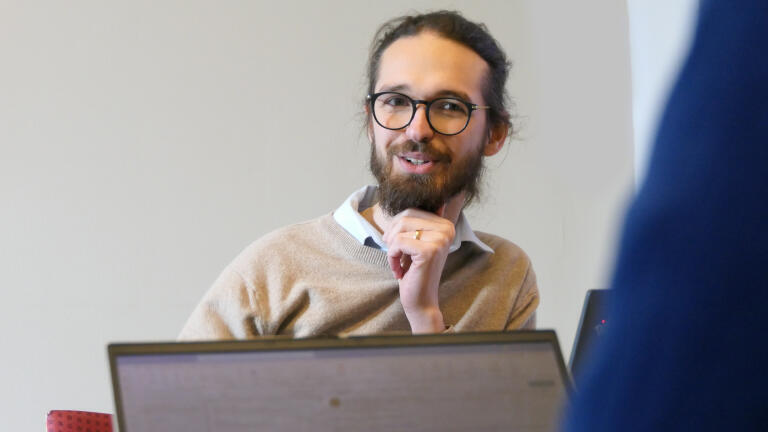
“Death is a strong biological signal,” said Dr. Rasmus Magnusson, postdoctoral fellow in biomedical engineering at Linköping University, who led the study. He explained that the post-mortem biochemical cascade produced consistent patterns in metabolite concentrations which the model learned to associate with specific intervals after death.
Accurate identification of the time of death – known in forensic science as the ‘post-mortem interval’ – has long posed challenges. Established methods rely on physiological changes such as decline in body temperature, development of rigor mortis, and measurement of potassium concentration in the vitreous humour of the eye. While these approaches remain valuable, their reliability decreases when several days have passed. Environmental temperature, body composition, infection, trauma and other external variables introduce uncertainty that complicates interpretation.
The Swedish team adopted a different strategy where instead of relying on gross physical changes, they applied AI and machine learning technologies to metabolomic data derived from autopsy blood samples. Across almost a decade, the SNBFM has collected blood from more than 45,000 autopsies, which were primarily used to screen for drugs, pharmaceuticals and toxins. This archive has created what the researchers described as a biochemical resource which is unique in the world. Within these samples, endogenous metabolites – compounds generated by the body itself – are also present in measurable quantities.
From the larger archive, 4,876 cases with a known post-mortem interval served to train the model. The algorithm learned to detect complex, multivariate patterns across numerous metabolites and to map these patterns onto elapsed time since death.
“This is a gold mine of data … but we were also able to show that there is no need for such large amounts of data [than] was perhaps previously thought.
“A few hundred individuals are enough to build corresponding models, which makes our method useful even in laboratories worldwide that don’t have access to as much data,” Magnusson said.
When the researchers evaluated the trained system, it predicted the time from death to autopsy with a precision of approximately one day, even in individuals who had been deceased for up to 13 days. This level of accuracy represents a clear improvement on existing methodological approaches in cases where several days have elapsed.
The robustness of the metabolic signal surprised the team considering the numerous variables that influence decomposition, including ambient temperature, microbial activity, underlying disease and medication. Despite this complexity, the metabolite profiles retained sufficient structure to allow reliable inference.
“We knew that many external factors affect body decomposition and were surprised that the signal from the body’s metabolites was so strong when it comes to predicting the post-mortem interval.
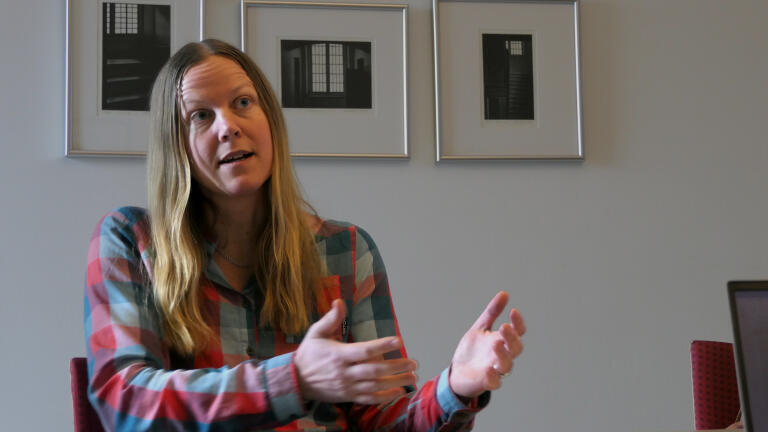
“The data set we have today provides information on the date of death, but we don’t know the time,” said Dr. Elin Nyman, associate professor in systems biology at Linköping University.
The current database records the date of death but lacks precise time stamps. To refine the model further, the researchers have sought to assemble a data set that includes more exact information about the time of death. Such data would allow them to train models that estimate not only the interval since death but also the probable time of day at which death occurred.
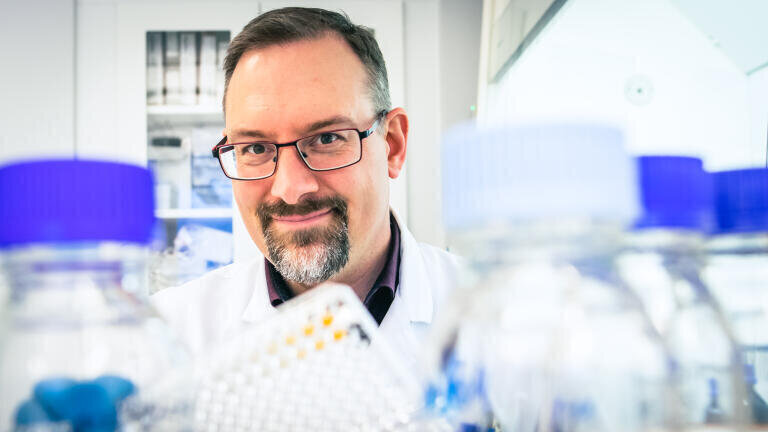
“Forensic assessments often involve puzzle-like detective work. This novel tool gives us better opportunities to assess how long someone has been deceased even when a long time has passed since their death which is of great importance especially in more complex cases.
“We’re now working to develop even more accurate models,” said Dr. Carl Söderberg, forensic pathologist and researcher at the SNBFM.
In practical terms, a more precise estimate of the post-mortem interval may influence investigative strategy. Police require accurate timelines to determine which witnesses to interview and which activities in a deceased person’s final days warrant scrutiny. A shift from approximate multi-day windows to a narrower timeframe may strengthen evidential coherence and, ultimately, timely legal outcomes.
For further reading please visit: 10.1038/s41467-026-69158-w
ILM 51.6 Sept 2026




 Product directory

















,-photo-Karin-Allander.jpg)