Research news
A preclinical study has reported that simultaneous inhibition of cyclin-dependent kinases 2 and 4/6 produced durable tumour regression across multiple models of drug-resistant and triple-negative breast cancer
A preclinical study from researchers at The University of Texas MD Anderson Cancer Center, Houston, Texas, USA, has identified a strategy to overcome drug resistance in breast cancer by targeting two central regulators of the cell cycle. The findings have reported that combined inhibition of cyclin-dependent kinase 2 and cyclin-dependent kinases 4 and 6 produced strong and durable anti-tumour effects across a wide range of breast cancer models.
Cyclin-dependent kinase 4/6 inhibitors, used alongside endocrine therapy, represent the standard first-line treatment for hormone receptor-positive, human epidermal growth factor receptor 2-negative metastatic breast cancer. Despite initial effectiveness, resistance to these agents has consistently emerged over time.
In triple-negative breast cancer, an aggressive subtype that lacks hormone receptors and human epidermal growth factor receptor 2 expression, the clinical benefit of cyclin-dependent kinase 4/6 inhibition has remained uncertain, with few targeted treatment options available.
To address both resistance in hormone receptor-positive disease and the limited options for triple-negative breast cancer, the research team evaluated the effects of combining the selective cyclin-dependent kinase 2 inhibitor BLU-222 with established cyclin-dependent kinase 4/6 inhibitors.
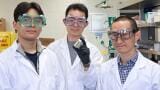
The work was led by postdoctoral fellow Dr. Linjie Luo, together with Dr. Khandan Keyomarsi, a professor of experimental radiation oncology. The researchers reported that the combination produced consistent anti-tumour activity across every preclinical breast cancer model tested, including models that were resistant to existing therapies and those representing aggressive triple-negative disease. The absence of exceptions across models highlighted the translational relevance of the approach.
“This is an important and highly consistent finding,” said Keyomarsi.
“Across all resistant hormone receptor-positive models and all triple-negative models we tested, the combination of BLU-222 with cyclin-dependent kinase 4/6 inhibitors consistently outperformed standard-of-care therapies, producing durable tumour regression and prolonged survival,” she added.
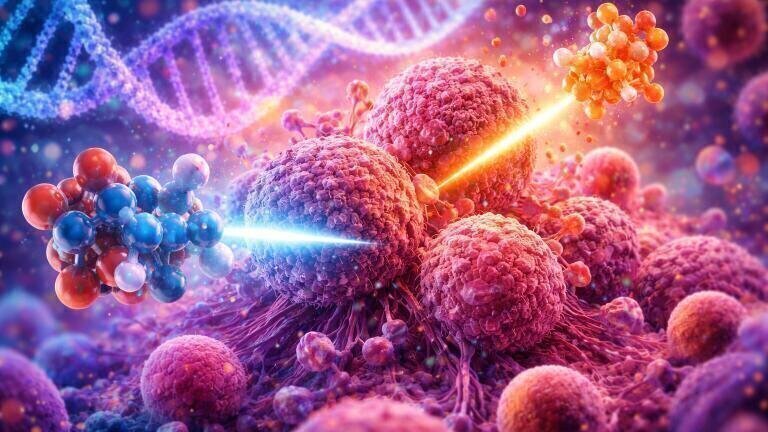
Breast cancer cells, like many malignancies, rely on rapid and repeated cell division. This process depends on cyclin-dependent kinases, a family of enzymes that regulate cell-cycle progression and DNA replication. In many breast cancers, tumour survival becomes particularly dependent on cyclin-dependent kinases 2, 4 and 6. Although cyclin-dependent kinase 4/6 inhibitors interrupt part of this regulatory machinery, cancer cells frequently adapt by shifting their reliance towards cyclin-dependent kinase 2, which allows proliferation to continue despite treatment.
The study demonstrated that inhibition of cyclin-dependent kinase 2 closed this adaptive escape route. Earlier attempts to target cyclin-dependent kinase 2 have faced limitations because of toxicity and lack of selectivity. More recent compounds, including BLU-222, have achieved greater specificity, which has made direct cyclin-dependent kinase 2 inhibition a more viable therapeutic strategy.
Mechanistic analyses showed that BLU-222, whether administered alone or in combination with cyclin-dependent kinase 4/6 inhibitors, increased levels of the cell-cycle regulatory proteins p21 and p27. These proteins act as intrinsic brakes on cell division and are frequently suppressed in drug-resistant tumours. Restoration of p21 and p27 activity led to inhibition of both cyclin-dependent kinase 2 and cyclin-dependent kinase 4, effectively halting tumour cell proliferation.
The essential role of these proteins was confirmed through genetic experiments. When p21 or p27 was removed using CRISPR-based gene editing, the synergistic anti-tumour effect of the drug combination was lost demonstrating that their presence was critical for therapeutic efficacy.
Further analysis using RNA sequencing showed that the combination therapy activated cellular senescence, a stable state of growth arrest, alongside interferon signalling pathways. These effects may contribute to sustained tumour regression and could support immune-mediated anti-tumour responses.
Keyomarsi noted that the timing of the study was particularly relevant, as several next-generation cyclin-dependent kinase 2 inhibitors have entered development pipelines and early-stage clinical trials. The preclinical data have provided a framework to guide how these agents might be deployed in patients.
“Our data demonstrates that targeting cyclin-dependent kinase 2 is not just additive – it fundamentally restores control over the cell cycle in resistant tumours,” Keyomarsi said.
“Therefore, this study provides a clear blueprint for how these drugs should be used clinically.
“This is significant because there is an urgent unmet clinical need for patients with cyclin-dependent kinase 4/6 inhibitor-resistant hormone receptor-positive breast cancer and for those with triple-negative disease,” she concluded.
For further reading please visit: 10.1038/s41467-025-67865-4
ILM 51.6 Sept 2026




 Product directory


















,-photo-Karin-Allander.jpg)