Research news
Researchers in Germany have reported that artificial intelligence applied to blood-based epigenetic markers can identify individuals with prediabetes who face a particularly high risk of progression to type 2 diabetes
Prediabetes is a highly heterogeneous metabolic disorder, with marked variation in disease trajectory and risk of complications between individuals. Scientists from several partner institutes of the German Center for Diabetes Research (GCDR) have now reported that artificial intelligence can be used to identify epigenetic markers in blood that signal an elevated risk of adverse outcomes.
The findings indicate that a relatively simple blood test could – in future – enable early identification of people at high risk of developing type 2 diabetes (T2DM), illustrating how data-driven approaches and molecular medicine have begun to converge in diagnostic research.
Prediabetes represents a critical window during which individuals can act to prevent or delay the onset of T2DM. Lifestyle interventions initiated at this stage have been shown to inhibit disease progression and – in some cases – to induce remission. However, effective prevention depends on reliable risk stratification.
Some individuals experience only limited metabolic deterioration, while others progress rapidly to diabetes or develop complications affecting organs such as the heart and kidneys, thereby requiring substantially more intensive intervention.
Earlier research conducted by the GCDR, at the Heinrich Heine University, Düsseldorf, Germany, and its partners has demonstrated that prediabetes can be divided into at least six distinct clusters. These clusters differ markedly in metabolic profile, likelihood of progression, and risk of complications, with three associated with moderate risk and three associated with high risk of T2DM and related disease.
Assigning individuals to these clusters has, until now, required extensive clinical assessment, including oral glucose tolerance tests, detailed insulin measurements, and imaging procedures.
“This detailed classification is of great value but is … too time-consuming for routine practice,” explained Dr Meriem Ouni, corresponding author of the study and a researcher at the German Institute of Human Nutrition Potsdam-Rehbrücke, based in Nuthetal, and a partner of the GCDR.
“For this reason, we wanted to examine whether risk groups could also be identified using easily accessible biomarkers in the blood,” Ouni added.
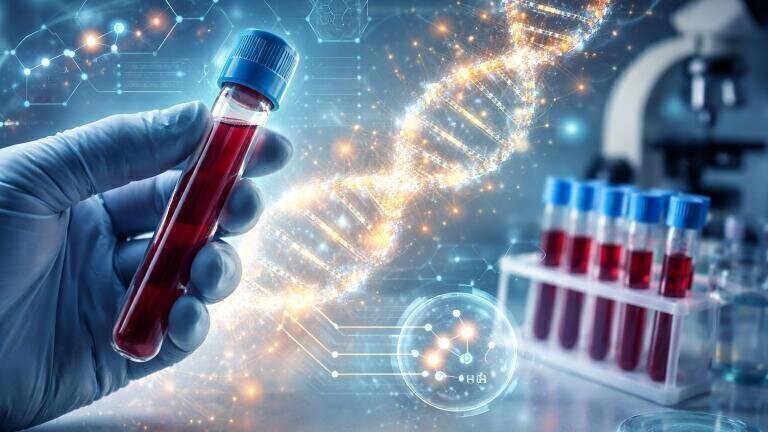
In the study, the research team combined blood-based DNA methylation analysis with machine-learning technologies. Samples were analysed from participants drawn from multiple cohorts for whom prediabetes risk profiles had already been well characterised. By integrating molecular data with advanced computational models, the researchers sought to determine whether epigenetic signatures alone could reproduce the established risk stratification.
The analysis showed that a panel of 1,557 epigenetic markers enabled correct assignment of individuals to high-risk prediabetes clusters with an accuracy of around 90 per cent, including in an independent validation cohort. Many of the markers were cluster-specific and reflected distinct biological signalling pathways, suggesting that the molecular diversity of prediabetes is captured at the epigenetic level.
A substantial proportion of the identified markers had been reported previously in epigenome-wide association studies and have been linked to T2DM, chronic inflammation, cardiovascular and renal disease. Taken together, these markers appeared to explain much of the biological heterogeneity observed in prediabetes, supporting the concept that apparently similar clinical presentations may conceal very different underlying disease mechanisms.
“Our results suggest that epigenetic markers in the blood are an effective early warning system,” said Prof Annette Schürmann, director of the GCDR and senior author of the study.
She explained that the markers reflected not only current metabolic status but also provided insight into the future course of the disease.
“They make it possible to identify people with a particularly high risk of diabetes and complications early on – even before severe metabolic deterioration occurs,” Schürmann added.
In the longer term, the researchers suggested that this approach could reshape both prevention and care in prediabetes. Rather than relying on time-intensive and costly clinical investigations, a standardised blood test could enable differentiated risk assessment and support more precisely targeted preventive strategies. Earlier identification of high-risk individuals could allow intervention to begin sooner and to be tailored more closely to underlying biology.
“Our next step is therefore to convert our insights into a practical test,” Ouni said. She explained that the initial focus will be to reduce the number of markers to a manageable subset without loss of predictive power.
On this basis, the team plans to develop a custom analysis chip designed to support simple and cost-effective identification of prediabetes risk clusters in routine diagnostic settings.
For further reading please visit: 10.1186/s40364-025-00887-8
ILM 51.6 Sept 2026




 Product directory




















,-photo-Karin-Allander.jpg)