
Research news
Preclinical research has shown that CAR T cells directed against the urokinase plasminogen activator receptor can attack both tumour cells and their supportive microenvironment offering a potential route to treat solid cancers
A novel strategy to extend chimeric antigen receptor T-cell therapy – CAR T therapy – to solid tumours has shown encouraging preclinical results, with researchers demonstrating that targeting the cell surface protein urokinase plasminogen activator receptor (uPAR) may allow engineered immune cells to attack both cancer cells and their supportive microenvironment.
CAR T therapy has transformed treatment for haematological malignancies such as leukaemia and lymphoma but success in solid tumours has remained limited. Tumour cells often lack a uniform surface antigen while many solid tumours are protected by a dense stromal barrier composed of fibrotic tissue and immunosuppressive cells which restrict T-cell infiltration and activity.
Researchers at Memorial Sloan Kettering Cancer Center, New York, USA – and collaborators elsewhere – have reported a dual-targeting approach that seeks to overcome both constraints. Their engineered CAR T cells target uPAR which is a protein expressed not only on tumour cells but also on fibroblasts and myeloid cells within the tumour microenvironment. The findings remain preclinical and require evaluation in human studies to establish safety and efficacy, however.
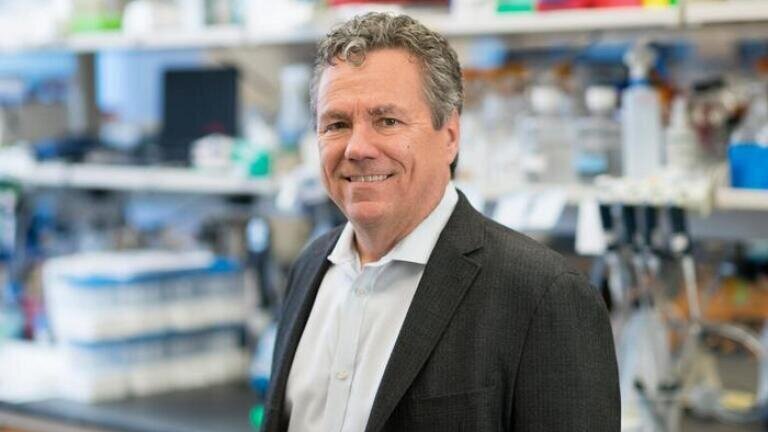
“This approach shrank several types of solid tumour in the laboratory – including lung, pancreatic and ovarian cancers – and even cleared metastases in some experiments,” said co-senior study author Dr. Scott Lowe.
“In our laboratory models, these engineered cells selectively eliminated not only solid tumour cells, but also the uPAR-positive fibroblasts and immunosuppressive myeloid cells that provide a protective environment for the tumour to grow in,” he added.
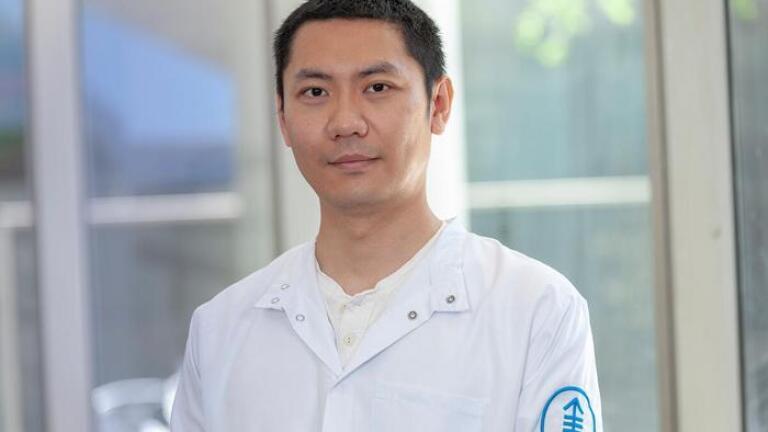
The study was led by first author Dr. Zeda Zhang, with senior contributions from Dr. Aveline Filliol and Dr. Michel Sadelain. The team evaluated the approach across multiple experimental systems, including cultured cancer cells, human tumours grown in mice and models that recapitulate metastatic disease. Across these models, the uPAR-targeted CAR T cells demonstrated substantial anti-tumour activity with limited detectable toxicity to healthy tissues.
In a mouse model of ovarian cancer, treatment eliminated metastatic lesions and produced durable remissions. Animals whose tumours had cleared subsequently resisted tumour reintroduction which indicated sustained immune surveillance by the engineered T cells. Administration of a single adjuvant dose following surgery eradicated residual disease in mice, whereas surgery alone achieved only transient control.
uPAR is a cell surface receptor involved in tissue remodelling and wound healing. In healthy tissues, expression remains low and is largely confined to certain myeloid immune cells. In malignancy, tumour cells and stromal components exploit wound-healing pathways which leads to marked upregulation of uPAR across both malignant and supportive cell populations. Rather than define a single cell lineage, uPAR identifies a functional state associated with how aggressively the tumour behaves, immune evasion and tissue remodelling.
The findings align with parallel work that has shown elimination of tumour-supportive cell states can trigger collapse of the wider tumour structure, even when those cells represent a minority population.
“Our work has shown uPAR marks not only malignancy but also the broader ecosystem that supports cancer. [This is] a feature that sets uPAR apart from other cell-surface targets,” said Zhang.
The investigators identified uPAR as a candidate target through studies of cellular senescence, a process in which damaged or stressed cells cease to divide. Certain anticancer therapies – including chemotherapy – can induce senescence and thereby increase uPAR expression in tumour cells. Analysis across human cancer datasets revealed elevated uPAR expression in 12 of 14 tumour types examined, with particularly high levels in ovarian, pancreatic, colorectal, lung and brain cancers.
“High uPAR expression was most strongly associated with mutations that compromise p53, the tumour suppressor – often described as the ‘guardian of the genome’ – and activating mutations in KRAS and other genes in the RAS signalling pathway,” said Filliol.
“We also found high uPAR was associated with activation of genes that are important for cellular plasticity, inflammation and fibrosis, which are hallmarks of aggressive cancer,” she added.
Preclinical experiments demonstrated that therapeutic efficacy could increase when uPAR-targeted CAR T cells were combined with senescence-inducing agents such as cisplatin. By raising uPAR expression on tumour cells, such treatments appeared to enhance recognition and killing by engineered T cells. The researchers observed that optimal activity required expression of at least 1,500 uPAR molecules per cell surface. To improve targeting fidelity, the team developed binding domains that recognise a form of uPAR less susceptible to shedding under inflammatory conditions, a known limitation in targeting this receptor.
“We’re not just targeting uPAR on the surface of tumour cells but also the uPAR-expressing fibroblasts and myeloid cells in a tumour’s supporting niche. That is something unique,” said Sadelain.
The work forms part of a broader effort to define cancer as a complex biological ecosystem rather than a purely genetic disease. The Marie-Josée and Henry R. Kravis Cancer Ecosystems Project, based at Memorial Sloan Kettering, has sought to characterise the interactions between malignant cells, stromal components and immune networks that collectively drive tumour progression.
“It’s increasingly clear that the progression of a malignant tumour isn’t just about transformations happening within cells but about coordinated interactions between cells and nearby tissues to develop tumour-supportive ecosystems,” said Lowe.
Fibrotic, degenerative and inflammatory diseases often involve similar cell populations and signalling pathways, which raises the possibility that uPAR-directed therapies could have broader clinical applications. In addition to CAR T approaches, uPAR may serve as a target for antibody–drug conjugates, antibody-mediated radiotherapy and CAR-engineered natural killer cells.
The researchers also identified potential non-invasive biomarkers, including measurement of soluble uPAR in blood and the use of uPAR-targeted positron emission tomography imaging, to monitor disease burden and treatment response.
Although applications in the clinic remains are still some way off realisation, the findings indicate that simultaneous targeting of tumour cells and their microenvironment may represent a viable route to overcome longstanding barriers in solid tumour immunotherapy.
For further reading please visit: 10.1016/j.cell.2026.03.002
ILM 51.6 Sept 2026



 Product directory



















,-photo-Karin-Allander.jpg)






.jpg)
