Research news
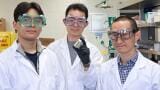
Scientists at the University of British Columbia have engineered a common gut microbe to emit a strong fluorescent signal under healthy conditions and to dim when the intestinal environment shifts towards malabsorption and inflammation. The approach, tested in mouse models, could support non-invasive, continuous monitoring of gut health via stool samples
A team from University of British Columbia (UBC), Vancouver, Canada, has reported that it has engineered a native gut bacterium to dim its fluorescent signal when it encounters physiological disruptions associated with gastrointestinal disease, a strategy that could help clinicians and researchers to monitor intestinal health through stool samples rather than invasive procedures.
UBC said the findings described a bacterial ‘living biosensor’ that could track changes in the gut environment over time in mice, with the potential to detect early physiological shifts before symptoms such as diarrhoea appear.
“Our biosensors could improve the ability to predict how diseases in the gut progress, identifying early changes that could aid preventative interventions,” said co-first author Juan Camilo Burckhardt, a doctoral candidate in UBC’s Department of Microbiology and Immunology.
Current approaches that clinicians use to assess gut health often rely on procedures such as endoscopy and biopsy, which can prove invasive and typically provide only a single time-point assessment. By contrast, UBC said its biosensor design aims to support longitudinal monitoring without the need to disturb the gut environment, by taking its readouts obtained from stool samples.
“Beneficial bacteria that naturally reside in the intestine and support gut health are highly sensitive to local conditions and have evolved to thrive long-term in these environments,” said first co-author Giselle McCallum, who worked on the research as a doctoral student.
“Building biosensors in these bacteria therefore allows researchers to continuously monitor the gut environment without disturbing it,” she added.
The team focused on Bacteroides thetaiotaomicron, a common commensal species that resides in the human gut and that researchers can modify in the laboratory. UBC said the bacterium offered a practical chassis for biosensing because it can persist in the intestine and respond to local conditions that shift in disease.
The researchers identified genes in B. thetaiotaomicron that switched on in response to gut disruptions that often occur in gastrointestinal disorders, including coeliac disease and inflammatory bowel diseases. One disruption the team emphasised was osmotic stress, which can arise when the gut cannot absorb nutrients effectively. In that scenario, undigested molecules can accumulate in the bowel and draw water into the intestinal lumen, which can contribute to diarrhoea, inflammation and a potential worsening of the underlying condition.
“Understanding these gut changes is essential for advancing our diagnostic and treatment strategies for gut health,” said senior author Dr Carolina Tropini, an assistant professor in UBC’s Department of Microbiology and Immunology and the School of Biomedical Engineering.
“For that, we need highly sensitive measurements as those changes occur, including before symptoms appear,” said Tropini.
Bacterial biosensors often rely on engineered microbes that increase fluorescence under stress. However, UBC said this conventional strategy did not translate well to B. thetaiotaomicron because the resulting signal proved too faint to measure reliably. To address this limitation, the team inverted the design logic. Instead of asking stressed cells to glow more strongly, they engineered B. thetaiotaomicron to glow brightly in baseline conditions and to dim when stress-responsive pathways activated.
In practice, the approach allowed the researchers to infer osmotic stress by measuring how far the fluorescence signal faded. UBC said higher levels of osmotic stress correlated with weaker fluorescence, which offered a quantifiable readout of intestinal conditions without a need to collect tissue directly from the gut.
The team tested the biosensor in mice and analysed stool samples to measure fluorescence intensity in individual bacterial cells. According to the researchers, the biosensor reported osmotic stress accurately and detected subtle physiological changes even when mice did not show overt clinical signs such as diarrhoea. UBC said the engineered bacteria remained stable and responsive for weeks which suggested the platform could support longer-term tracking of gut environmental shifts.
“We found that the biosensor accurately reported osmotic stress in the gut, even picking up subtle changes that didn’t cause clinical symptoms like diarrhoea.
“It remained stable and responsive for weeks, which means it could track the gut environment long-term and potentially detect illness before symptoms develop,” Burckhardt said.
UBC said the work represented a step towards continuous, non-invasive measurement in a setting where researchers have often relied on indirect proxies and intermittent sampling. In inflammatory bowel diseases, for example, symptoms can fluctuate and tissue inflammation can evolve between clinical visits. A readout that reflects local physiology over time could – in principle – help researchers to map how disease states emerge, respond to treatment or relapse.
The researchers said they now aimed to adapt the biosensor concept to detect additional gut conditions beyond osmolality-linked stress. They cited the potential to engineer sensors that report changes such as oxygen availability, temperature and acidity (pH), and to develop multiplexed systems that can measure several variables at once. Such an approach could prove particularly useful because gut disorders can involve multiple overlapping processes, including barrier dysfunction, immune activation and changes in microbial metabolism.
“While early applications will likely focus on monitoring gastrointestinal diseases, the long-term goal is a personalized approach where people can track aspects of their gut health over time and identify early warning signs of imbalance or dysfunction,” Tropini concluded.
UBC added that the study could also lay groundwork for ‘next-generation living biosensors’ that do more than report disease-associated conditions. In the longer term, the researchers envisaged bacterial systems that can release therapeutics only when they detect specific physiological signatures, which could, in principle, allow more targeted delivery within the gut.
For further reading please visit: 10.1016/j.cell.2025.12.052
ILM 51.6 Sept 2026




 Product directory



















,-photo-Karin-Allander.jpg)