Research news
Discovery may inform treatments to enable skin repair without scarring
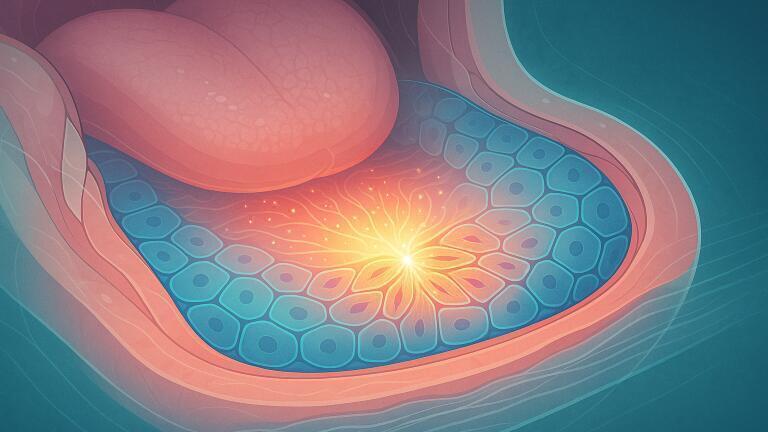
A preclinical study has revealed a biological mechanism that may explain why wounds in the mouth heal rapidly and without scarring. The research, co-led by Cedars-Sinai, Stanford Medicine and the University of California, San Francisco, could pave the way for future therapies that improve healing in skin tissue elsewhere in the body.
“Our research began with two questions: Why does your mouth heal so much better than your skin? And if we figure that out, can we use that information therapeutically?” said Dr Ophir Klein, executive vice dean of Children’s Health at Cedars-Sinai and co-corresponding author.
Mouth wounds typically resolve within one to three days, whereas skin injuries often require longer to heal and may leave visible scars. According to Klein, this discrepancy reflects a gap in scientific understanding that has limited the development of effective anti-scarring therapies.
In the study, scientists examined tissue samples from the oral mucosa and facial skin of laboratory mice. They identified a signalling pathway involving a protein known as GAS6 and an enzyme called AXL, which inhibits a separate pathway linked to scar formation. Suppressing AXL in the mouth impaired healing, while activating it in skin wounds enhanced tissue regeneration.
“These findings suggest that the GAS6–AXL pathway plays a key role in scarless healing in the mouth, and that targeting it may help improve skin wound repair,” Klein said.
Further research is now needed to explore how these mechanisms operate in humans. Dr Michael Longaker, co-corresponding author and the Dean P. and Louise Mitchell Professor in the School of Medicine at Stanford University, said: “Further clinical studies should be performed to assess the nature of the relationship between AXL and scarring in humans.”
For further reading please visit: 10.1126/scitranslmed.adk2101
ILM 51.6 Sept 2026



 Product directory















,-photo-Karin-Allander.jpg)





.jpg)
