Research news
Researchers have reported that an antibody-based immunotherapy can reduce inflammatory arterial plaque in mouse models of atherosclerosis, raising the prospect of a treatment strategy that could complement cholesterol-lowering approaches in patients who remain at high cardiovascular risk
Scientists have reported the development of a novel immunotherapy that reduced atherosclerotic plaque within the arteries of mice, suggesting a potential future treatment strategy for coronary artery disease that extends beyond cholesterol control alone. The findings, from a study led by researchers at Washington University School of Medicine in St. Louis, Missouri, USA, have indicated that an antibody-based approach could complement established preventive strategies such as dietary modification and lipid-lowering drugs, such as statins.
The research has focused on patients who already have significant plaque accumulation within their coronary arteries and who remain at high risk of myocardial infarction despite achieving low circulating cholesterol concentrations. For this group, conventional therapies often slow disease progression but do not substantially reverse existing plaque burden.
The study examined a synthetic antibody – defined as a laboratory-generated protein – which was designed to eliminate a specific population of cells embedded within the blood vessel wall that plays a central role in chronic inflammation and plaque instability. These cells contribute directly to coronary artery disease, a condition characterised by the accumulation of atherosclerotic material within arteries that supply the heart.
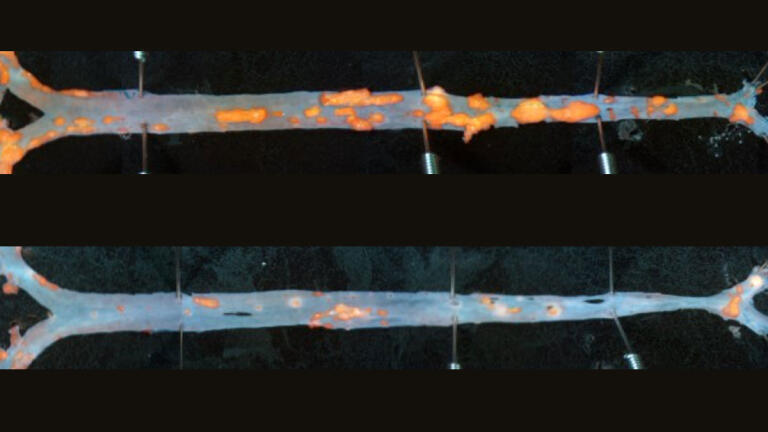
In mouse models of atherosclerosis, removal of these cells reduced total plaque volume, decreased inflammatory activity within plaques and improved plaque stability. Plaque stability is regarded as a critical determinant of heart attack risk, since unstable plaques are prone to rupture and trigger acute arterial blockage.
“This type of antibody therapy was originally designed to target cancers, such as lymphoma, and we imagine a similar precision medicine approach for cardiovascular disease,” said Dr. Kory J. Lavine, senior author of the study and professor of medicine in the cardiovascular division at Washington University School of Medicine.
“Cholesterol-lowering medications are mainly preventive which does not substantially reduce plaques that is already present. An immunotherapy that can reduce inflammation and dangerous plaque in patients with more advanced atherosclerosis represents an exciting prospect,” he added.
Atherosclerosis has long been recognised as a chronic inflammatory process that damages artery walls over decades. It often arises from a combination of factors, including raised blood pressure, elevated blood cholesterol and impaired blood glucose control.
During disease progression, immune cells accumulate within the arterial wall and form plaques that resemble scar tissue. Structural cells known as vascular smooth muscle cells undergo profound changes, migrating to inappropriate regions of the vessel and adopting a dysfunctional state.
In this altered form, referred to as modulated smooth muscle cells, these cells release molecular signals that attract and activate inflammatory immune cells. This process sustains plaque growth and contributes to structural weakness that increases the risk of rupture.
Lavine’s group collaborated with researchers at the biotechnology company Amgen to study an antibody-based molecule capable of selectively targeting these modulated smooth muscle cells. The molecule belongs to a class known as bispecific T cell engagers, abbreviated as BiTE molecules, which are engineered to draw T cells towards specific target cells and induce immune-mediated destruction. Although this approach has been developed primarily for oncology, the researchers adapted it to eliminate pathological cells involved in cardiovascular disease.
To enable selective targeting, the team first needed to identify a molecular marker unique to modulated smooth muscle cells. They conducted an advanced single-cell and spatial profiling analysis of 27 human coronary arteries obtained from patients undergoing heart transplantation. This work examined the gene and protein activity of more than 150,000 individual cells while preserving information about their precise location within the three-dimensional structure of the artery and its plaques.
From this comprehensive cellular atlas of human coronary artery disease, the investigators identified fibroblast activation protein on the surface of modulated smooth muscle cells as a suitable molecular target. When BiTE molecules directed against this protein were tested in mouse models, atherosclerotic burden was significantly lower than in untreated animals.
“We found that these cells are located in areas of the plaque that are particularly vulnerable to rupture which is the primary cause of heart attacks.
“What this BiTE molecule appears to achieve is the removal of damaging cells, followed by an improved healing response that reduces inflammation, lowers plaque burden, and increases the stability of remaining plaques,” Lavine said.
The researchers have also explored the diagnostic potential of this approach. They employed an imaging tracer molecule that binds to fibroblast activation protein, enabling visualisation of modulated smooth muscle cells using positron emission tomography combined with computed tomography, abbreviated as PET/CT. In collaboration with international partners, the team tested the tracer in patients with coronary artery disease and observed clear localisation within coronary plaques.
Future work will focus on additional imaging studies and further optimisation of the BiTE molecule to assess safety and therapeutic potential in atherosclerosis. The researchers have also aimed to determine whether the imaging tracer can distinguish between stable and unstable plaques, a capability that could allow clinicians to identify patients at highest risk and intervene before a heart attack occurs.
For further reading please visit: 10.1126/science.adx1736
ILM 51.6 Sept 2026




 Product directory




















,-photo-Karin-Allander.jpg)