Research news
University of Nottingham researchers have developed a highly tuneable materials platform that self-assembles with RNA to form nanoscale delivery particles, with potential to accelerate the development and manufacture of genetic medicines
Scientists at the University of Nottingham, UK, have developed an adaptable materials platform designed to deliver a broad range of genetic medicines safely and efficiently. The advance could accelerate progress in the development of next generation vaccines, cancer therapies and gene silencing treatments.
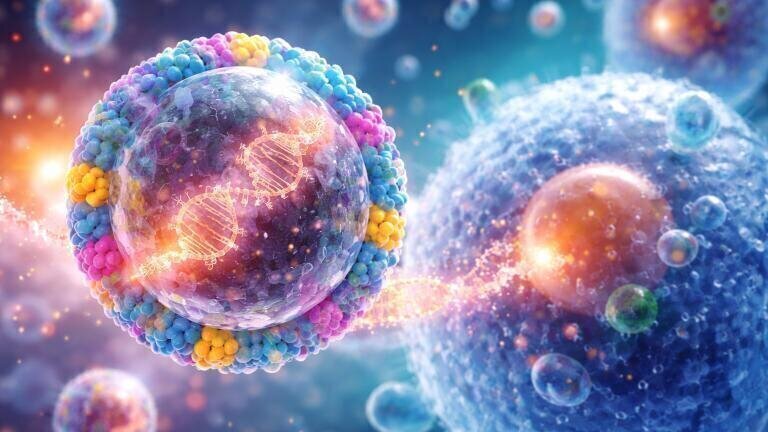
The team, based at the institution’s School of Pharmacy, created a drug delivery system built from modular chemical components that self-assemble with RNA to form nanoscale particles. These particles encapsulate and protect RNA during transport into cells where it can then direct protein production or suppress the activity of disease-associated genes. Such RNA-based strategies have gained prominence in recent years, particularly in vaccine technology and oncology, yet safe and efficient delivery has remained a central challenge.
The materials incorporate a reversible host–guest linking system. In supramolecular chemistry, host–guest interactions refer to the non-covalent association between two molecular entities, one of which acts as a ‘host’ that binds a complementary ‘guest’. By exploiting these reversible interactions, the researchers were able to fine-tune particle stability and biological behaviour. Small alterations to the chemical structure of the building blocks permitted rapid generation of diverse formulations tailored to specific therapeutic objectives.
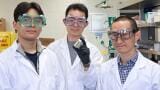
“These findings demonstrate a powerful, highly tuneable system with the potential to improve the delivery of genetic medicines,” said Professor Cameron Alexander, who led the research at the University of Nottingham. He added that by offering a flexible alternative to existing delivery technologies and by enabling automated, scalable manufacture, the platform could support faster development of RNA-based vaccines during future infectious disease outbreaks, improve the effectiveness of RNA therapies in cancer and expand treatment options across a wide spectrum of diseases.
The investigators demonstrated that RNA-loaded nanoparticles could be produced through automated processes that satisfied stringent critical quality attributes, the predefined physical, chemical and biological parameters required to ensure consistent vaccine and therapeutic manufacture. Compliance with such attributes is essential for regulatory approval and industrial translation. The results therefore suggested strong potential to scale up production and to deploy formulations rapidly in response to clinical need.
In cellular studies, the researchers showed that the materials delivered RNA into a broad range of cell types with efficiency that matched or exceeded that of leading commercial transfection reagents which are widely used laboratory agents that facilitate nucleic acid uptake. Importantly, the system showed no evidence of acute cytotoxicity under the conditions tested, an essential consideration for clinical application.
In preclinical models, the delivered RNAs reduced expression of cancer-associated genes in breast tumour tissue in mouse models. In a separate experiment, formulations induced protective immunity against H1N1 influenza in mice, which provided proof of principle for vaccine applications.
Together, these findings indicated that the modular platform could support both gene silencing approaches, such as small interfering RNA strategies, and mRNA vaccination.
The project drew on expertise from across the Imperial College London, King’s College London and University College London, as well as two Cambridge-based spinout companies, Aqdot Ltd and Centillion Ltd, all in the UK. This multidisciplinary collaboration combined expertise in polymer chemistry, pharmaceutical science, molecular biology and translational medicine.
Genetic medicines have moved from theoretical possibility to clinical reality within little more than a decade, yet their full potential depends on reliable delivery technologies that can adapt to diverse molecular cargos and disease contexts. By uniting supramolecular design with automated manufacture, the Nottingham-led team has provided a platform that may help to meet that requirement and to support the next phase of development in RNA therapeutics.
For further reading please visit: 10.1002/adma.202513315
ILM 51.6 Sept 2026




 Product directory
















,-photo-Karin-Allander.jpg)