Research news
Researchers at Yale School of Medicine have used lab-grown human nasal tissue to show that a fast interferon response can contain rhinovirus early, which suggests that host defences often shape whether symptoms occur and how severe they become
When rhinovirus, the most frequent cause of the common cold, infects the lining of the nasal passages, cells in the airway epithelium mount a coordinated antiviral response that could determine whether infection remains mild or progresses to symptomatic illness. This study used lab-grown human nasal tissue to track how thousands of cells responded in concert and to test what happened when key viral sensing pathways failed to trigger promptly.
“Rhinoviruses are very important in human health,” said Associate Professor Ellen Foxman of Yale School of Medicine, who led the work.
“As the number one cause of common colds and a major cause of breathing problems in people with asthma and other chronic lung conditions, rhinoviruses have had outsized effects relative to the attention they often receive.
“This research allowed us to peer into the human nasal lining and see what happened during rhinovirus infections at both the cellular and molecular levels,” Foxman said.
Rhinoviruses comprise a large group of related viruses that circulate year-round and drive a substantial fraction of upper respiratory infections. For many people, infection produces nuisance symptoms that resolve within days, but rhinovirus can also contribute to clinically significant disease, particularly when it exacerbates asthma or other chronic airway conditions.
Despite the ubiquity of infection, researchers have continued to debate why the same virus can pass almost unnoticed in one person yet provoke a heavy, inflammatory illness in another.
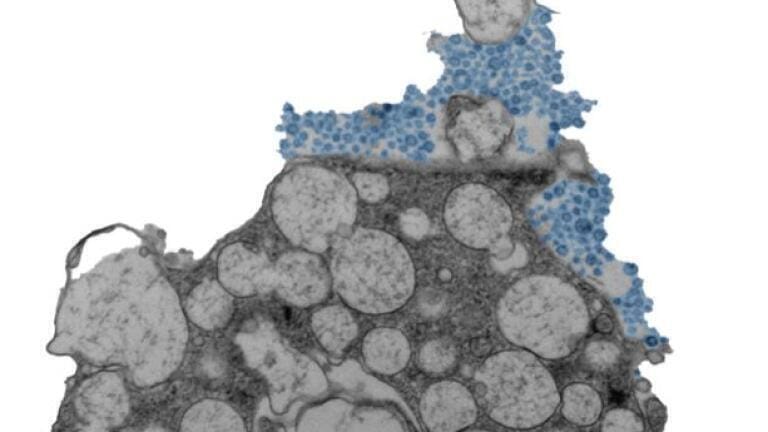
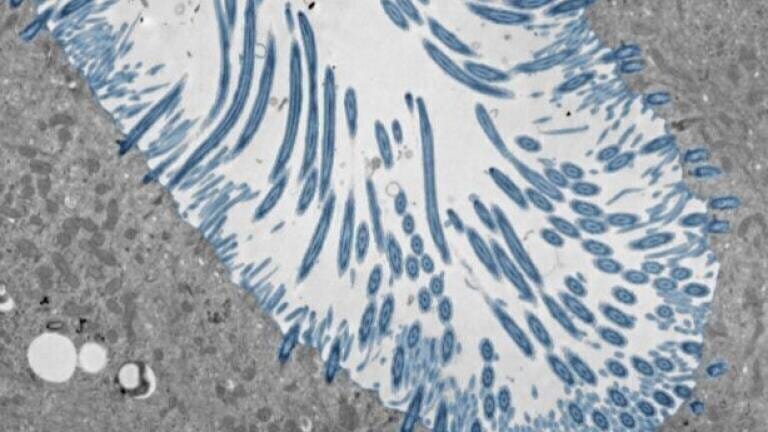
To investigate, the team built an organotypic model of the human nasal lining, a lab-grown tissue that aims to mimic the architecture and function of the airway surface. The researchers cultured human nasal stem cells for four weeks under air–liquid interface conditions, which exposed the upper surface to air while the lower surface remained bathed in nutrient medium. This approach encouraged the cells to differentiate into a mixed tissue that included mucus-producing cells and ciliated cells with hair-like structures that help to move mucus and trapped particles out of the airway.
Such models have gained traction because they can capture features of human respiratory biology that conventional immortalised cell lines often lack. Rhinovirus has posed particular problems for animal modelling because it causes illness in humans but does not reproduce the same disease patterns in many other species. By contrast, tissue derived from human cells can allow researchers to observe virus–host interactions in the cell types that rhinovirus naturally targets, while still retaining experimental control.
“This model reflected the responses of the human body much more accurately than conventional cell lines.
“Since rhinovirus causes illness in humans, but not [in] other animals, organotypic models of human tissues are particularly valuable for study,” said Foxman.
Using the nasal tissue model, the researchers measured how individual cells responded to infection and how those responses spread across neighbouring cells. The work focused on innate antiviral defences, the rapid, non-specific mechanisms that cells deploy within hours of detecting a virus. Central to those defences are interferons, signalling proteins that infected cells release to warn nearby cells and to switch on antiviral genes that can block viral entry, limit replication, and promote clearance.
The team observed that, once cells sensed rhinovirus, they produced interferons that initiated a broader protective state across the tissue. In effect, cells behaved less like isolated units and more like a neighbourhood watch. The infected cells sounded an alarm and surrounding cells prepared for an assault that might not yet have arrived.
If this interferon response occurred quickly enough, the virus struggled to spread from its initial foothold. When the researchers blocked the cellular sensors that detect rhinovirus, this early warning system failed, viral replication increased and the infection spread to many more cells. In some experiments, the organoids showed substantial tissue injury and cell death after the loss of interferon-mediated control.
“Our experiments showed how critical and effective a rapid interferon response was in controlling rhinovirus infection, even without any cells of the immune system present,” said doctoral candidate Bao Wang of Yale School of Medicine, who led the experimental work.
The finding has underlined that the airway epithelium is not merely a passive barrier but an active participant in antiviral defence, capable of mounting potent protective responses before immune cells arrive.
The study has also added nuance to the idea that symptoms reflect a tussle between viral damage and host reaction. When interferon responses contained the virus early, the tissue experienced less disruption. When viral replication increased, other sensing systems became engaged that drove responses associated with illness, including excess mucus production and inflammatory signalling. The researchers reported that infected and uninfected cells could act synergistically to amplify these effects, which can obstruct airways and contribute to breathing difficulties in susceptible people.
These later-stage responses may represent attractive targets for intervention, the authors suggested, because they could contribute to symptoms even when antiviral efforts continue. In practical terms, the work has supported a strategy that aims to calibrate host defences rather than to focus solely on virus-directed drugs.
Rhinoviruses comprise many serotypes, which has limited the feasibility of a single broadly protective vaccine, and antiviral drugs that target viral proteins often struggle to cover such diversity. A host-directed approach, by contrast, might aim to reinforce protective early responses, such as timely interferon signalling, while limiting maladaptive inflammation and mucus hypersecretion that can worsen disease.
The researchers cautioned that the organoids included a limited set of cell types compared with a living airway. In the body, infection recruits immune cells and exposes tissues to additional environmental factors, including temperature gradients, microbiome interactions, allergens, and pollutants, all of which can modulate antiviral responses. The team said that a key next step will be to understand how these elements shape the timing and magnitude of interferon responses and how they influence the transition from effective containment to symptomatic inflammation.
“Our study advanced the paradigm that the body’s responses to a virus, rather than properties inherent to the virus itself, were hugely important in determining whether a virus caused illness and how severe the illness became,” Foxman said.
“Targeting defence mechanisms has remained an exciting avenue for novel therapeutics,” she concluded.
Many cold symptoms arise less from the virus’s brute force and more from the body’s attempt to control it. That does not render symptoms ‘imaginary’ or trivial. It means the most effective treatments may need to support the right kind of immune response at the right time, while avoiding the sort of runaway inflammation that turns a brief infection into an exhausting week.
For further reading please visit: 10.1016/j.ccell.2025.11.008
ILM 51.6 Sept 2026




 Product directory




















,-photo-Karin-Allander.jpg)