Research news
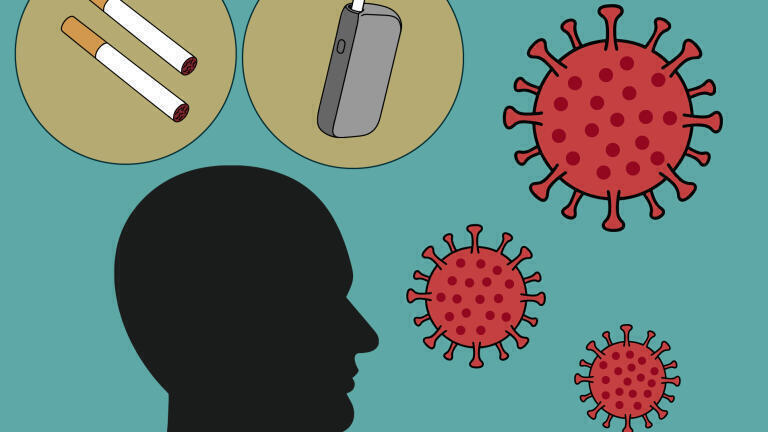
Analysis of a large nationwide survey in Japan has suggested that Long COVID symptoms vary by tobacco use, with dual use of combustible and heated products associated with a broader symptom burden than non-smoking
The COVID-19 pandemic has produced lasting health consequences that continue to shape the post-pandemic landscape, among them the condition widely known as Long COVID. This term describes a constellation of symptoms that affect multiple organ systems and persist for at least three months after acute infection with severe acute respiratory syndrome coronavirus 2 (COVID-19).
Long COVID has frequently been reported to occur more often among older adults, women, individuals with obesity and those with pre-existing health conditions. By contrast, the association between Long COVID and tobacco use has remained uncertain, with previous studies offering no clear consensus.
However, researchers at Osaka Metropolitan University, Japan, have now reported evidence that smoking status and smoking patterns may influence the type and number of Long COVID symptoms experienced. The study was led by graduate student Erika Toyokura alongside Dr Kazuhiro Yamada and Associate Professor Kazuhisa Asai at the university’s Graduate School of Medicine.
The team analysed data from the Japan Society and New Tobacco Internet Survey 2023, a nationwide online survey that included approximately 34,000 respondents. Of these, 28,250 participants met the criteria for analysis, including 5,068 individuals who reported a previous COVID-19 infection.
Participants were classified into five categories according to tobacco use:
non-smokers
former users
users of combustible cigarettes
users of heated tobacco products
dual users of both product types.
The analysis showed that current smokers reported a higher prevalence of several Long COVID symptoms than non-smokers. These included joint pain, chest pain, shortness of breath and disturbances of smell. Among dual users, the association extended to five symptoms, with altered taste also reported more frequently.
Users of combustible cigarettes alone showed correlations with chest pain, shortness of breath and altered smell, while users of heated tobacco products were more often affected by shortness of breath and sexual dysfunction.
The findings suggested that Long COVID symptoms may differ not only between smokers and non-smokers but also according to the type of tobacco product used and patterns of consumption. In particular, concurrent use of combustible and heated tobacco products appeared to associate with a wider range of symptoms than use of either product alone.
“This study is the first to reveal that Long COVID differs depending on smoking patterns. Specifically, individuals who use both combustible and heated tobacco products showed a stronger correlation with more symptoms.
“These findings underscore the importance of ceasing tobacco use,” Toyokura said.
“Going forward, we plan to examine the causal relationship and underlying mechanisms between smoking and Long COVID symptoms and apply these findings to public health policies and clinical practice,” Asai said.
For further reading please visit: 10.1038/s41598-025-22050-x
ILM 51.6 Sept 2026




 Product directory




















,-photo-Karin-Allander.jpg)