Research news
Researchers in Romania have uncovered a bacterial strain trapped in 5,000-year-old cave ice that resists ten modern antibiotics – yet may hold keys to new antimicrobial and industrial applications.
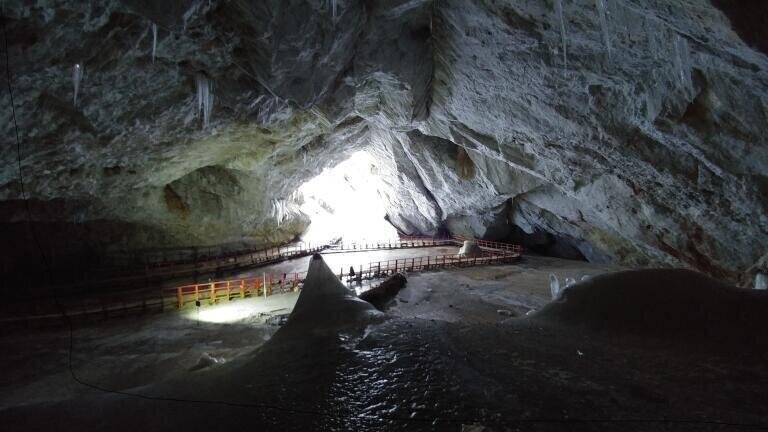
The strain, Psychrobacter SC65A.3, was recovered from deep layers of Scarisoara Ice Cave. Its genome contains over 100 resistance-related genes, making it a living archive of how antibiotic resistance evolved long before modern drugs existed. Surprisingly, the bacterium also produces enzymes and antimicrobial compounds capable of inhibiting several contemporary ‘superbugs’, offering a potential source of new biotechnological tools.
“This ancient bacterium shows that antibiotic resistance is not solely a modern phenomenon,” explained Dr Cristina Purcarea, Senior Scientist at the Institute of Biology Bucharest, Romanian Academy. “At the same time, its unique enzymes and antimicrobial compounds could inspire innovative solutions for medicine and industry.”
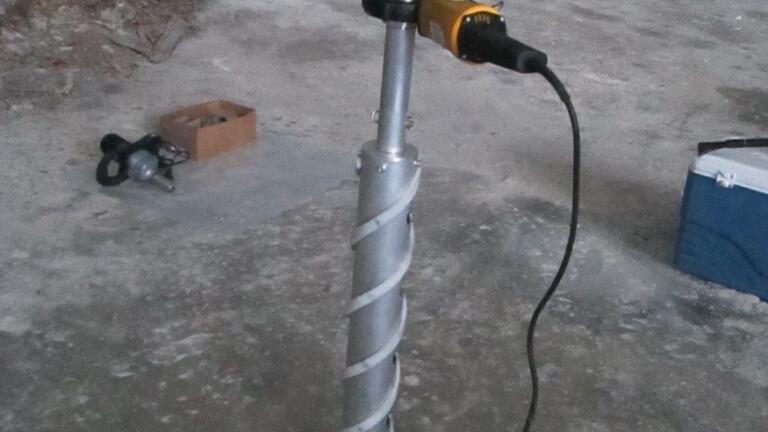
The team carefully extracted ice cores spanning 13,000 years, isolating microbes under sterile, frozen conditions to prevent contamination. Laboratory testing revealed SC65A.3 resists antibiotics commonly used to treat serious infections, including rifampicin, vancomycin, and ciprofloxacin. In some cases, it represents the first known resistance for its genus to drugs such as trimethoprim and clindamycin.
While the findings highlight potential risks – ancient resistance genes could, in theory, spread if released into modern environments – they also showcase untapped scientific value. Nearly 600 genes of unknown function were identified, and 11 genes may encode proteins that inhibit other bacteria, fungi, or viruses.
“Studying microbes preserved in ice is like opening a time capsule,” added Purcarea. “We can learn both how resistance evolves and how these organisms might be harnessed for future medical and industrial innovations. But strict lab safety is essential to manage any risk.”
The study [1], published in Frontiers in Microbiology, underscores the dual promise and challenge of ancient microbes: a window into evolutionary biology and a potential source of next-generation antimicrobial and biotechnological tools.
More information online
ILM 51.6 Sept 2026



 Product directory




















,-photo-Karin-Allander.jpg)