
Research news
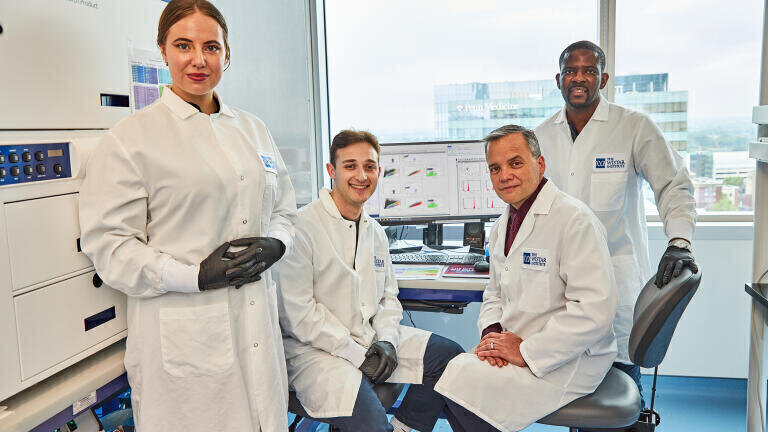
Wistar Institute scientists have identified a novel therapeutic target in ovarian cancer by selectively blocking a cleft in the retinoblastoma protein, which protects tumour-supporting macrophages. The discovery [1], published in Cancer Immunology Research, could make ovarian - and potentially other - cancers more responsive to immunotherapies.
The research builds on decades of HIV studies led by Dr Luis Montaner, Executive Vice President of The Wistar Institute, and Director of the HIV Cure and Viral Diseases Center. “This target emerged from our work understanding how macrophages survive HIV infection,” Montaner said. “It shows how insights from one field of medicine can inform breakthroughs in another.”
Macrophages are immune cells that can either fight disease or shield tumours from attack. Targeting tumour-protecting macrophages without harming beneficial ones has long been a challenge. Wistar researchers discovered that selectively inhibiting a specific pocket of the retinoblastoma protein depletes only the tumour-supporting macrophages, leaving anti-tumour cells intact. Animal studies confirmed tumour shrinkage using this approach.
“This is a first-in-kind target against a solid tumour,” Montaner added. “It opens new avenues for therapies that could complement existing immunotherapies.”
The study highlights the value of interdisciplinary research and long-term investigation. It took over 10 years from the initial HIV-linked discovery to the identification of this cancer target. Next steps include exploring applications in acute myeloid leukaemia, pancreatic cancer, and combination therapies.
The work was supported by NIH and Department of Defense grants, PA Department of Health CURE funds, the Robert I. Jacobs Fund, the Ovarian Cancer Research Alliance and NIH Cancer Center Support Grant.
More information online
1. Targeting LxCxE cleft pocket of retinoblastoma protein in M2-like immunosuppressive macrophages inhibits ovarian cancer progression published in Cancer Immunotherapy Research, 2025
ILM 51.6 Sept 2026



 Product directory




















,-photo-Karin-Allander.jpg)








.jpg)
