
Research news
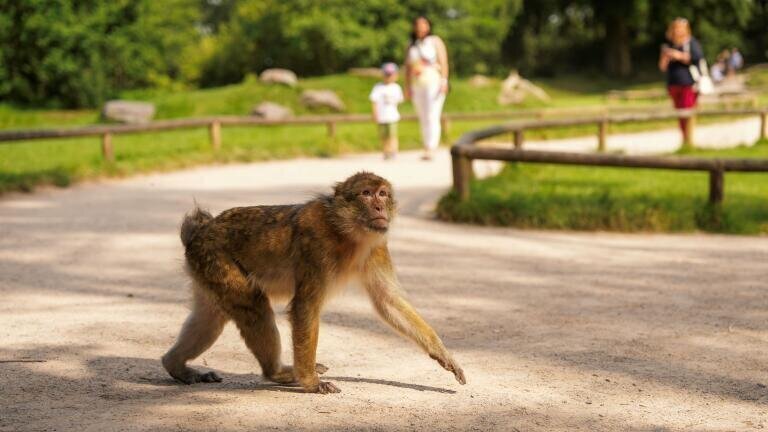
Researchers have sequenced the genome of the endangered Barbary macaque, providing a new tool for conservation and wildlife crime detection.
The study, led by teams including Liverpool John Moores University, the Institute Scientifique de Rabat, and the Atlas Golden Wolf Project, used DNA from a macaque named ‘Crinkle’ living at Trentham Monkey Forest in the UK. The result is a reference genome for the species.
The work addresses a major gap in conservation biology. Until now, the absence of a reference genome has limited understanding of genetic diversity in wild populations and hindered efforts to trace illegally traded animals.
By comparing the genome with non-invasive samples collected across Morocco in 2024, researchers have already linked individuals to specific regions, including populations near Ifrane National Park and Khenifra National Park. This opens the door to identifying the geographic origin of trafficked animals with greater precision.
The approach provides a genetic reference framework for the species, enabling authorities to trace confiscated macaques back to source populations and support targeted conservation strategies.
Barbary macaques were once widespread across North Africa and southern Europe but are now restricted to fragmented populations in Morocco and Algeria, with a small group in Gibraltar. Fewer than 8,000 are believed to remain in the wild.
Researchers say the genomic resource could improve conservation planning by revealing patterns of genetic health, population structure, and movement across remaining habitats.
“Barbary macaques were once found across the Mediterranean but are now restricted to a few pockets in North Africa and Gibraltar. Our survey in Morocco was very successful, allowing us to collect non-invasive samples across the species’ geographic range, from the Rif Mountains in the north to the High Atlas Mountains in the south,” said Dr Patrick Tkaczynski, Liverpool John Moores University.
The work also highlights the value of combining controlled population data from conservation centres such as Trentham Monkey Forest with field sampling in native habitats.
Scientists involved describe the genome as a foundation for future work linking genetics, conservation management, and wildlife protection across the species’ range.
More information online
ILM 51.6 Sept 2026



 Product directory

















,-photo-Karin-Allander.jpg)





.jpg)
