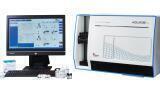
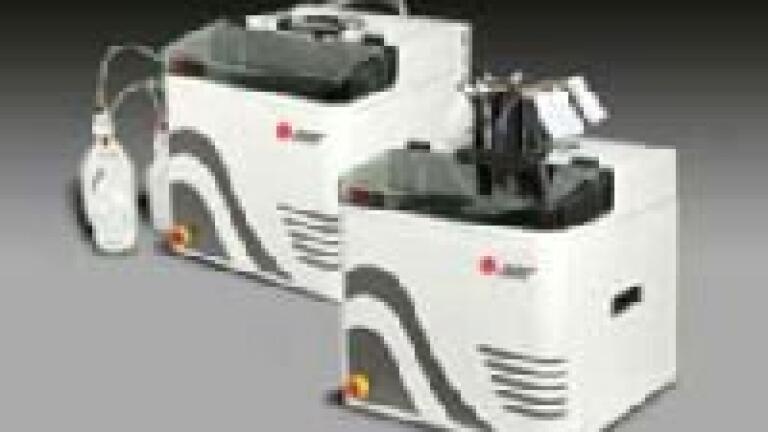
Beckman Coulter, Inc. has announced the addition of two nanofluidic workstations to its liquid handling portfolio. The BioRAPTR FRD? and PicoRAPTR? systems, developed by Aurora Discovery, feature advanced, accurate fluidic technology, ideal for assay miniaturization.
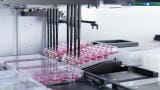
The BioRAPTR workstation is an automated, non-contact dispenser for 384-, 1536- and 3456-well plate formats. It delivers precise and accurate dispensing across a low-volume range of 100 nL to 60 µL, without cross contamination. The PicoRAPTR features an eight-tip piezo head and dual-plate carrier stage for high-speed aspiration and pipetting of ultra-low volumes 1 nL to 100 µL. With various configurations, the PicoRAPTR workstation provides the ability to complete spotting; compound formatting; dose response for cell-based assays; and SNP assays in high-density microplates, slides and chips.
"The addition of these systems to our product line addresses the high-growth assay miniaturization market in drug discovery and genomics," commented Chris Neary, vice president of biomarker discovery and automation for Beckman Coulter. "The advanced fluidic technology behind theses systems delivers the high pipetting accuracy that is necessary for submicroliter volume applications."




 Product directory