Microscopy & microtechniques
Published over 12 years ago. See the latest and most current information on Microscopy & microtechniques.
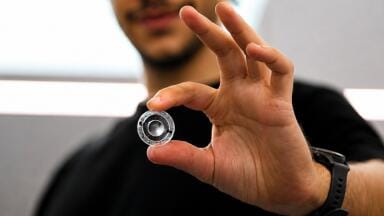
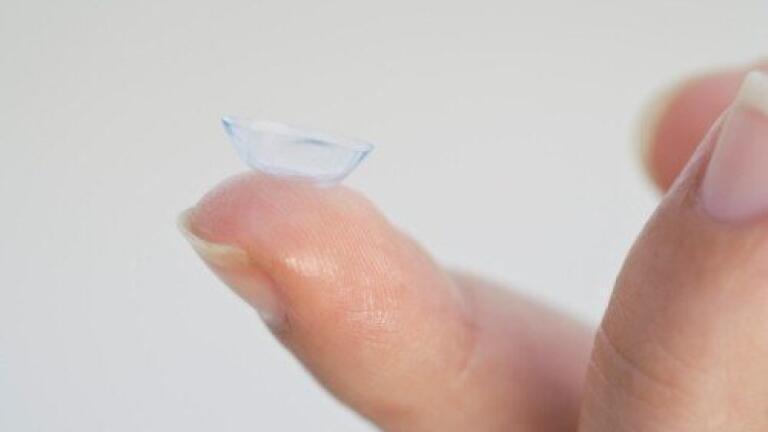
A new type of contact lens has been developed, which will allow medication for the treatment of glaucoma to be delivered steadily throughout the day. Researchers at the University of California Los Angeles (UCLA) School of Dentistry, US, have developed a new method of drug delivery that provides sustained treatment of glaucoma.
Glaucoma is when the eye produces too much fluid, which results in pressure and causes the breakdown of the tissue within the eye that is responsible for the drainage of fluid. If the condition does not receive the correct treatment, it can lead to damage of the optical nerve, which results in blindness.
Treatment is usually delivered through eye drops that contain the drug timolol maleate. The drug helps to stop the eye from producing so much excess fluid or improves its drainage ability.
However, the eye drops can have severe side effects and do not always provide the best treatments due to the fact that delivery of the drug can be variable. As little as five per cent of the medication can actually reach the intended area as the drops can leak out of the eye. Patients can also fail to stick to the treatment regime, which can lead to problems in the long run.
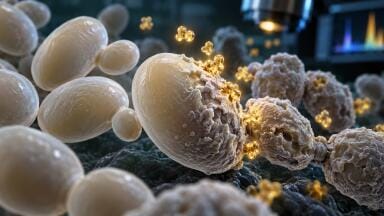
In order to combat these problems, researchers have managed to reversibly bind the medication to nanodiamonds with the use of polysaccharide chitosan. Nanodiamonds are created during the mining process and measure around five nanometres in diameter. They have been found to be harmless within the body and can be a useful product in terms of drug delivery.
Once the drug is bound to the nanodiamonds they are added to soft contact lenses made of hydrogel. This means they can be applied directly to the eye, allowing them to release the drug when they are exposed to lysozyme, an enzyme that is present in human tears. This enzyme causes the polysaccharide chitosan to breakdown between the timolol and the nanodiamonds, slowly releasing the drug into the eye throughout the day.
ILM 51.6 Sept 2026




 Product directory