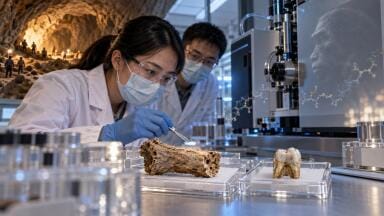
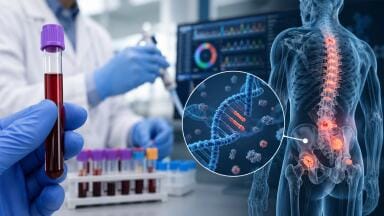
Laboratory scientists are currently exploring a new link found between breast cancer and exposure to oestrogen in the womb.
Experts at Yale School of Medicine noted that Bisphenol-A (BPA) and Diethylstilbestrol (DES) - a weak and strong oestrogen respectively - have a disruptive effect on reproductive and neurological systems in the body.
This can lead to offspring having an increased chance of developing breast cancer should they come into contact with the chemicals as a foetus, they added.
Hugh Taylor, lead author of the study and professor of obstetrics, gynaecology and reproductive sciences at the academic institution, said their findings suggest more needs to be done to monitor pregnant women exposed to these substances.
"These results show that all oestrogens, even weak ones, can alter the development of the breast and place our children at risk," he remarked.
Laboratory scientists at the University of Gothenburg and Lund University recently revealed they are exploring ways in which breast milk can become an effective cancer treatment.






 Product directory