News
Published over 11 years ago. See the latest and most current information on News.
In 2014, a team of US researchers in partnership with IBM unveiled a new brain-inspired computer chip which promised to significantly close the gap between computers and biological systems. Since then, another micro-chip has caught our attention! A new drug delivery system could revolutionise the way we take birth control pills. MicroCHIPS Biotech, a start-up based in Massachusetts, has developed an implant that can not only deliver precise drug doses, but can turn itself on or off. The company has received a grant from the Bill and Melinda Gates Foundation.
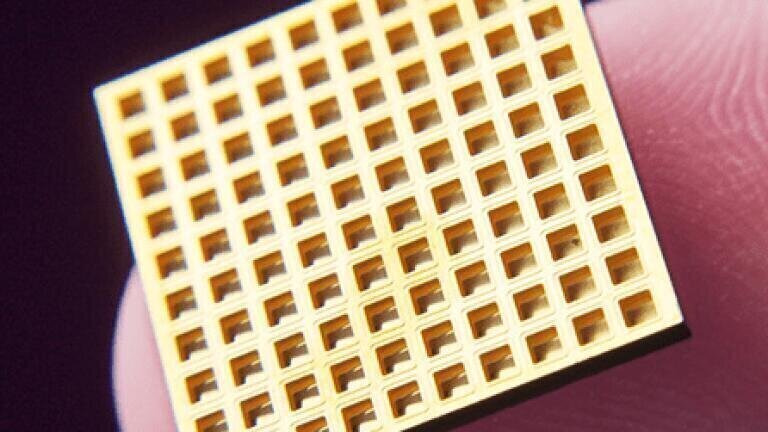
The implant is based on micro-chip technology. Each tiny chip contains 200 micro-reservoirs, which are able to store up to 1 mg of a required drug. The reservoirs are sealed before the chip is positioned under the skin, using a local anaesthesia.
Once in place, the implant can then be activated wirelessly by either the patient or a doctor, without the need for removal. The dose and frequency can be altered, and the implant can be turned on or off, as required. This means that the implant can be tailored to meet the individual requirements of each patient.
The implant lasts for up to 16 years, and so for those with chronic conditions, the benefits of this type of drug release system are immense. The MicroCHIP implant could replace years of painful injections and hospital visits. It can also allow doctors to collect information from their patients wirelessly to fine-tune their medication.
It is thought that the MicroCHIP implant will make its biggest impact in the developing world. The Gates Foundation hope that the implant can provide birth control to around 120 million women and girls within Third World countries, by 2020. This should help to reduce the amount of unintended pregnancies and deaths from childbirth. It also frees up women to carry on with their education.
There are those that believe the MicroCHIP implant is a way for corporations to control women’s fertility for their own use. This may seem farfetched, but the fact that the implants are wirelessly controlled is of some concern.
Last year the FDA issued a warning for all manufacturers of medical devices that they could be vulnerable to hackers, unless they had enabled secure encryption.
The MicroCHIP has been tested on women with osteoporosis. A synthetic parathyroid hormone - teriparatide (PTH), was administered either via a daily injection or using the microchip-based implant. The results showed that both sets of women received the same therapeutic levels of the drug. However, the microchip implant delivered a more consistent dose than those delivered via the injection.
It is expected that the MicroCHIP will enter clinical trials within two years. This means that we could see a commercially available product as soon as 2018.
ILM 51.6 Sept 2026





 Product directory


.jpg)