News
Published over 12 years ago. See the latest and most current information on News.
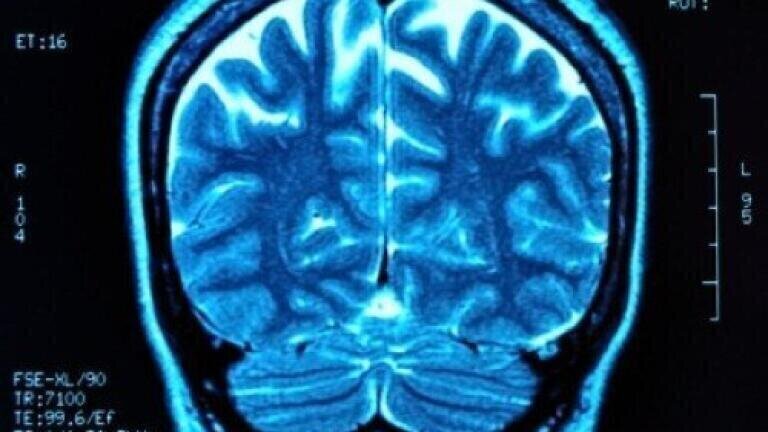
Magnetic resonance imaging (MRI) techniques can be used to identify the whereabouts of brain injuries in concussion patients, according to a new study published in the online academic journal Radiology.
Researchers looked at imaging data from people who had suffered concussions, leading to either vestibular symptoms such as dizziness and a lack of balance, or ocular convergence insufficiency, which occurs when the eyes cannot turn inward to focus on an object nearby.
Scientists acquired the information using an MRI technique known as diffusion tensor imaging (DTI). This specific approach produces what is known as an “FA value” that can be used to identify damage sustained to the white matter in a patient’s brain.
White matter is responsible for transmitting the signals that keep the whole body functioning, meaning that damage can have serious consequences. However, until now research has not been able to connect damage in specific regions of the brain to a prognosis of vestibulopathy.
But when researchers compared DTI results, they found that FA values were lower in specific regions of the brain, indicating that these regions were more damaged than others.
“Patients with vestibular symptoms had white matter injury in the cerebellar area, which is known to control balance and movement, and also in the fusiform gyri, a brain area that integrates the visual fields of the left and right eye and is important to spatial orientation,” said Dr Lea Alhilali, from the University of Pittsburgh Medical Centre, who worked on the study.
She added that although vestibulopathy had previously been thought to be linked to inner ear damage, the study shows that brain injuries are present. In turn, this suggests that damage to certain regions of the brain is linked to vestibular symptoms.
According to Dr Alhilali, the research could also lead to more effective treatments of concussion patients who show signs of vestibulopathy. By using DTI results in addition to cognitive tests, medical staff may be able to reach a more accurate prognosis and start the right treatments more quickly.
ILM 51.6 Sept 2026




 Product directory




























.jpg)