News
Published over 14 years ago. See the latest and most current information on News.
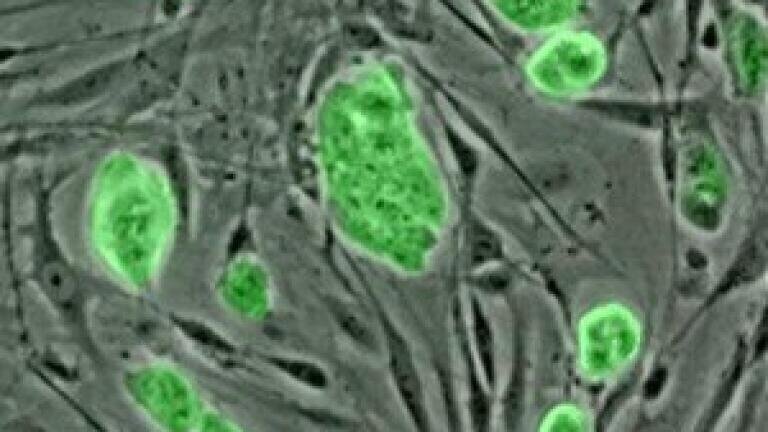
A particular population of stem cells found in umbilical cord blood following childbirth has the inherent capability to move to the intestine and add to the existing cell group, signifying the cells' probable ability to treat inflammatory bowel disease (IBD).
The research was conducted by lead author, Professor Graca Almeida-Porada while at the University of Nevada. It also involved colleagues from Indiana University School of Medicine and is currently published in the print issue of the journal Hepatology.
The researchers examined a special populace of cells, known as endothelial colony-forming cells. These originate in circulating blood, cord blood and bone marrow.
In 1997, a study showed that the cells can add to blood vessel formation in adults and not just embryos. This instigated the idea of utilising them therapeutically.
Previously, research has suggested that these cells have the ability to treat heart diseases and improve reduced blood flow to the limbs in humans.
"These cells are involved in the formation of blood vessels and may prove to be a tool for improving the vessel abnormalities found in IBD," said Professor Almeida-Porada who is currently at Wake Forest Baptist Medical Center's Institute for Regenerative Medicine.
IBD is characterised by recurrent diarrhoea and abdominal soreness. It essentially refers to two conditions – ulcerative colitis and Crohn's disease. With IBD, blood vessels in the intestine seep and contribute to swelling.
Currently IBD is treated with drug therapies that intend to thwart immune response and decrease inflammation, however these are not always successful.
Tissue recovery via an injectable cell therapy is the long-term development aim of the research.
Cells were injected into foetal sheep at 59 to 65 days gestation. After 11 weeks, intestinal tissue was examined to identify the existence of the human cells.
The findings revealed that human cells had migrated to the intestine and added considerably to the cell populace there.
Survival of cells in an inflamed intestine will make up the next research phase, said the expert.
Posted by Ben Evans
ILM 51.6 Sept 2026




 Product directory















.jpg)
,-photo-Karin-Allander.jpg)