News
Published over 15 years ago. See the latest and most current information on News.
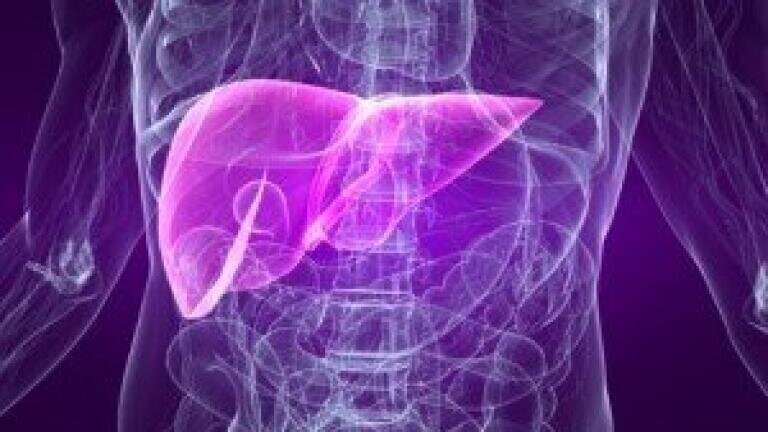
Laboratory scientists have identified a key protein linked to acute liver failure.
New research from the Keck School of Medicine of the University of Southern California (USC) found that inhibition of the protein protects the liver from acetaminophen toxicity.
The development may help prevent damage caused by drugs like acetaminophen and other stressors.
Acetaminophen is a common drug found in many over-the-counter medicines, especially cold and flu remedies as it helps relieve pain and fever, however it is also the most common cause of drug-induced liver disease and acute liver failure.
The laboratory scientists found that protein Sab, or SH3-domain binding protein 5, binds with the enzyme JNK (c-Jun N-terminal kinase), with JNK regulating cell metabolism and survival but also triggering cell death.
By inhibiting the relationship between Sab and JNK, the liver is protected from damage.
"Developing a drug to protect against cell death, one could argue to target JNK - but that's a double-edged sword. This provides a whole new target: Create a drug that inhibits the interaction between JNK and Sab," explained Neil Kaplowitz, professor of Medicine at the Keck School of Medicine of the University of Southern California, who holds the Veronica P. Budnick chair in Liver Disease.
ILM 51.6 Sept 2026





 Product directory