News
Published over 13 years ago. See the latest and most current information on News.
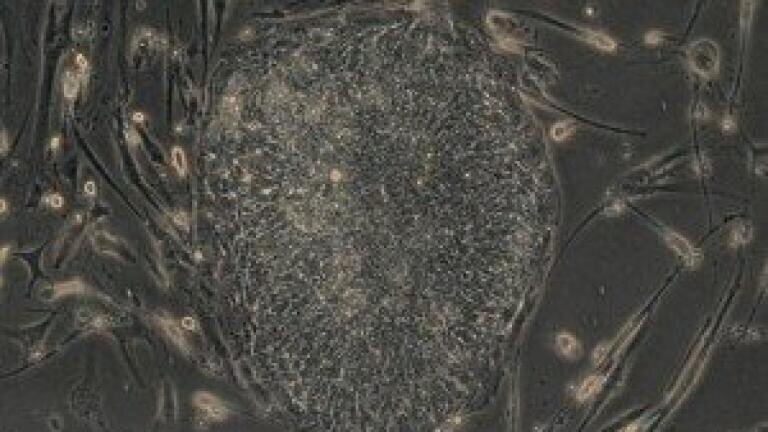
Researchers claim to have found multiple likenesses between cancer cells and induced pluripotent stem cells.
The findings, released on September 28th 2012, have significant implications for aiding scientists in producing safer stem cell therapies and possibly creating new cancer treatments.
The article, "Induced pluripotency and oncogenic transformation are related processes," is now available online in the journal, Stem Cells and Development.
Experts from the UC Davis Institute for Regenerative Cures in California confirmed the discovery a type of stem cell that is extremely similar to cancer cells.
The evidence shows that these cells, known as pluripotent stem cells (iPSCs), may be greatly suited in becoming a source of replacement tissues and cells to treat disease, chronic conditions and injuries.
However, researchers must be very careful with iPSCs as they could also cause malignant cancer.
Paul Knoepfler, associate professor of cell biology and human anatomy, and principal investigator of the study explains that this is the only study so far that portrays the particular molecular pathways that cancer cells and iPSCs share from a straight comparison.
Much more research is needed prior to iPSCs being used clinically. However Professor Knoepfler states that the current studies are adding to a growing knowledge base that will eventually make stem cell therapies safer.
Further research will also lead to a greater understanding of the cancer-causing process and more effectual ways of treating the disease.
iPSCs are very important as they can be taken from a patient's own skin and manipulated to create other necessary tissues. This avoids the chances of immunologic rejection that may arise. They may eradicate the need for patients to take immunosuppressive drugs.
The study also shows that there are major likenesses between iPSCs and malignant cancer cells. Certain genes were not present in both types of cells and they also shared similar metabolic activities.
"We found that we could reprogramme the cancer cells to behave more akin to normal stem cells. This suggests that such cancer cell reprogramming could become a new way of treating cancer patients, in essence telling their tumors to turn into normal stem cells," said the expert.
Posted by Fiona Griffiths
ILM 51.6 Sept 2026





 Product directory















.jpg)
,-photo-Karin-Allander.jpg)