News
Published over 13 years ago. See the latest and most current information on News.
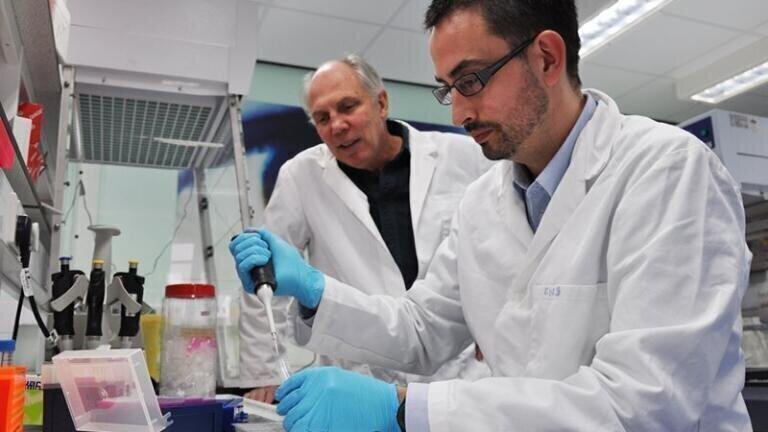
Scientists from the University of Southampton have identified the molecular system that contributes to a possible harmful inflammatory reaction in the brain during neurodegenerative diseases such as Alzheimer's, Parkinson's, Huntington's or prion disease.
Results from the study* opens new avenues for the regulation of the inflammatory reaction and provide new insights into the understanding of the biology of microglial cells, which play a leading role in the development and maintenance of this reaction.
Dr Diego Gomez-Nicola, from the CNS Inflammation group at the University of Southampton and lead author of the paper, said: "The understanding of microglial biology during neurodegenerative diseases is crucial for the development of potential therapeutic approaches to control the harmful inflammatory reaction. These potential interventions could modify or arrest neurodegenerative diseases like Alzheimer disease. The future potential outcomes of this line of research would be rapidly translated into the clinics of neuropathology, and would improve the quality of life of patients with these diseases."
The scientists used a laboratory model of neurodegeneration (murine prion disease), to understand the brain's response to microglial proliferation and dissected the molecules regulating this process. They found that signalling through a receptor called CSF1R is a key for the expansion of the microglial population and therefore drugs could target this.
Dr Diego Gomez-Nicola adds: "We have been able to identify that this molecular system is active in human Alzheimer's disease and variant Creutzfeldt-Jakob disease, pointing to this mechanism being universal for controlling microglial proliferation during neurodegeneration. By means of targeting CSF1R with selective inhibitors we have been able to delay the clinical symptoms of experimental prion disease, also preventing the loss of neurons."
The research has been funded by a Marie Curie fellowship from the European Union and a pilot research grant from Alzheimer's Research UK.
*Published in The Journal of Neuroscience
ILM 51.6 Sept 2026

 Product directory
















.jpg)
,-photo-Karin-Allander.jpg)





.jpg)