Chromatography
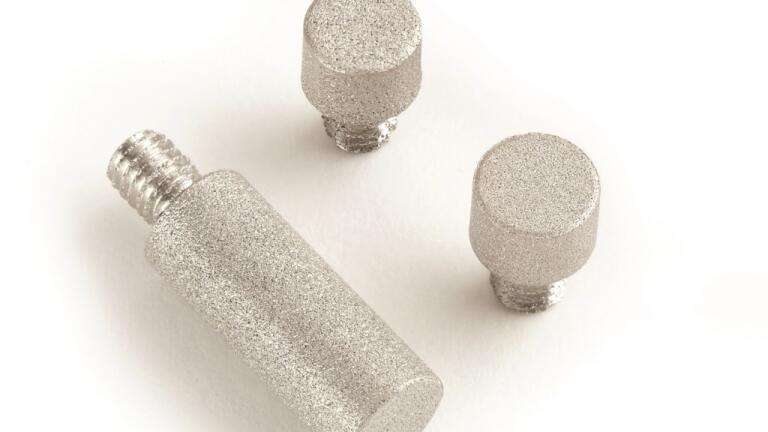
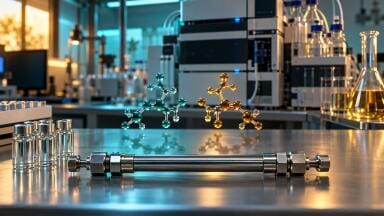
Biotech Fluidics has introduced a line of advanced micro spargers designed to improve gas transfer and mass transfer efficiency (kLa) in bioreactors, helping laboratories and process developers achieve higher yields with lower gas consumption.
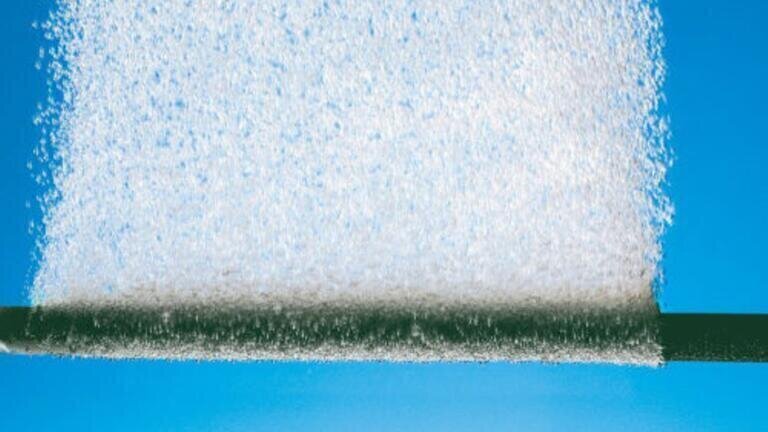
Micro spargers work by dispersing gases such as air, oxygen, or carbon dioxide into liquids through a fine network of pores, creating a stream of exceptionally small bubbles. This increases the gas–liquid contact area, resulting in more efficient aeration and faster mass transfer - key factors for optimising fermentation and cell culture processes.
Developed in collaboration with Mott Corporation, Biotech Fluidics’ micro spargers deliver substantial performance gains, optimising mass transfer rates by 100–400% compared with standard drilled-pipe or dip-tube designs. This improvement supports stronger cell growth, more effective gas dissolution, and better mixing efficiency.
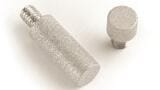
The range includes porous metal sparger tips for both benchtop and pilot-scale reactors, available in media grades from 2 µm to 15 µm. Each design can be tailored to match the bubble size and gas–liquid dynamics required for a specific medium or organism, ensuring reliable, reproducible performance in any bioreactor setup.
More information online
ILM 51.6 Sept 2026



 Product directory














.jpg)
