Chromatography
Published over 11 years ago. See the latest and most current information on Chromatography.
Vicinal diketones (VDK) are naturally produced compounds in the fermentation process. The monitoring of VDK levels is of great importance as the concentration of these compounds can greatly alter the flavour of a beverage. VDK’s produce a butter like flavour in the beverage so are undesirable in lighter beers that want a clean crisp taste, but are actually wanted at higher levels in wines to give a smoother taste and feel. The most commonly monitored VDKs are 2,3-butanedione also known a Diacetyl and 2,3-pentanedione also known as Acetyl Propionyl. VDK’s are typically found in the 0-100ppb range in beers, and can be anywhere from 100 to 5000ppb in wine.
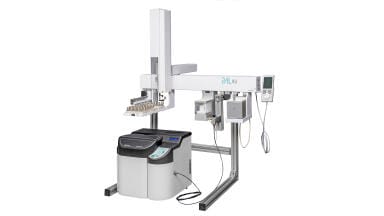
The Rise in popularity of craft beer has seen a dramatic rise in the number of smaller independent breweries. Many of which cannot justify they cost and space of large expensive GC systems. A method has been developed using the Ellutia 200 series Gas Chromatograph and the Ellutia EL-2100 Head-Space autosampler to provide an offering that can address the analysis at a lower entry price.
The System is able to analyse the compounds of interest down to the required low ppb levels.
The Ellutia 200 series GC and EL2100 autosampler can provide a simple lower cost solution to VDK analysis allowing breweries with smaller budgets the ability to perform this useful analysis. For Further information please visit.
Lab Asia 33.4 - August 2026

.jpg)

 Product directory