Clinical, medical and diagnostics
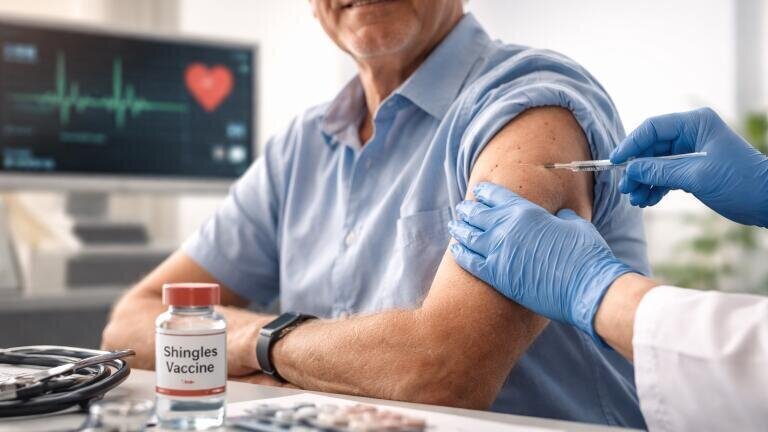
Large cohort study in the USA has shown that shingles vaccination associates with substantial reductions in major adverse cardiac events and mortality in patients with established atherosclerotic cardiovascular disease
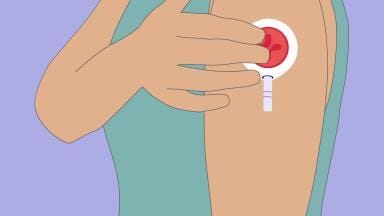
People with established heart disease who received a shingles vaccine have experienced markedly lower rates of serious cardiovascular events within one year compared with those who remained unvaccinated, according to findings presented at the American College of Cardiology Annual Scientific Session 2026 in March.
The analysis has examined more than 246,822 adults in the USA with atherosclerotic cardiovascular disease, a condition characterised by plaque accumulation within arterial walls that leads to impaired blood flow and increased risk of myocardial infarction and stroke. The findings have added to a growing body of evidence that vaccination against herpes zoster may confer broader systemic benefits beyond infection prevention, including potential protection against cardiovascular disease and neurodegenerative outcomes.
“This vaccine has been found over and over again to have cardioprotective effects for reducing heart attack, stroke and death,” said Dr. Robert Nguyen, the study’s lead author and a resident physician at the University of California, Riverside, California, USA. He explained that the magnitude of benefit appeared particularly pronounced in individuals with pre-existing cardiovascular pathology.
“Looking at the highest risk population, those with existing cardiovascular disease, these protective effects might be even greater than among the general public,” he said.
Current immunisation guidance from the US Centers for Disease Control and Prevention recommends shingles vaccination for all adults aged 50 years and older, as well as younger individuals with compromised immune function. The vaccine targets herpes zoster, a reactivation of the varicella zoster virus that causes a painful dermatomal rash and may lead to postherpetic neuralgia, a chronic neuropathic pain condition. Reactivation typically occurs decades after primary varicella infection and has been associated with systemic inflammatory and thrombotic responses.
Previous epidemiological and mechanistic studies have suggested that herpes zoster infection may promote prothrombotic states, with increased risk of clot formation in cerebral and coronary vasculature. Such processes may elevate the likelihood of acute cardiovascular events, including myocardial infarction, stroke and venous thromboembolism. By preventing viral reactivation, vaccination may indirectly mitigate these downstream vascular complications.
For the present analysis, investigators used the TriNetX research network, a large-scale database that aggregates anonymised patient records from healthcare organisations across the USA. The cohort included individuals aged 50 years or older with diagnosed atherosclerotic cardiovascular disease between 2018 and 2025. Among these, 123,411 individuals had received at least one dose of a shingles vaccine – either Shingrix or Zostavax – while a similar number had not received any shingles vaccination. Baseline demographic characteristics and comorbidities were closely matched between groups to reduce confounding.
Assessment of outcomes between one month and one year after vaccination has revealed consistent reductions across all major cardiovascular endpoints. Individuals who received a shingles vaccine were 46 per cent less likely to experience a major adverse cardiac event and 66 per cent less likely to die from any cause within the study period. In addition, vaccination associated with a 32 per cent reduction in myocardial infarction risk, a 25 per cent reduction in stroke risk and a 25 per cent reduction in incident heart failure.
Nguyen indicated that the scale of these effects approached that observed with established lifestyle interventions.
“Vaccines are one of the most important medicines we have to prevent disease. Sometimes patients are unsure about whether they should get a vaccine or not, particularly in [this] age of disinformation. These results provide another reason for them to elect to get the vaccine,” he said.
The investigators have emphasised that the analysis focused on short-term outcomes within one year of vaccination and that longer-term effects require further evaluation. Evidence from a separate study published in 2025 has suggested that shingles vaccination associates with a 23 per cent reduction in cardiovascular events in a general population cohort and that protective effects may persist for up to eight years.
As with all observational analyses, residual confounding remains a consideration. Individuals who receive vaccination may exhibit healthier behaviours or greater engagement with healthcare services than those who do not. Although the present study adjusted for multiple socioeconomic and behavioural factors, including housing status, employment, education and comorbid conditions, unmeasured variables may still influence the observed associations.
Nevertheless, the large sample size and robust statistical matching have supported a high degree of confidence that shingles vaccination correlates with a meaningful reduction in cardiovascular risk among patients with established atherosclerotic disease.
Taken together, the findings have reinforced the role of vaccination not only as a preventive measure against infectious disease but also as a potential adjunct strategy in cardiovascular risk reduction.
ILM 51.6 Sept 2026



 Product directory


.jpg)