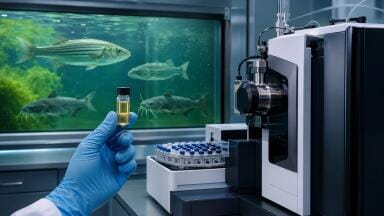
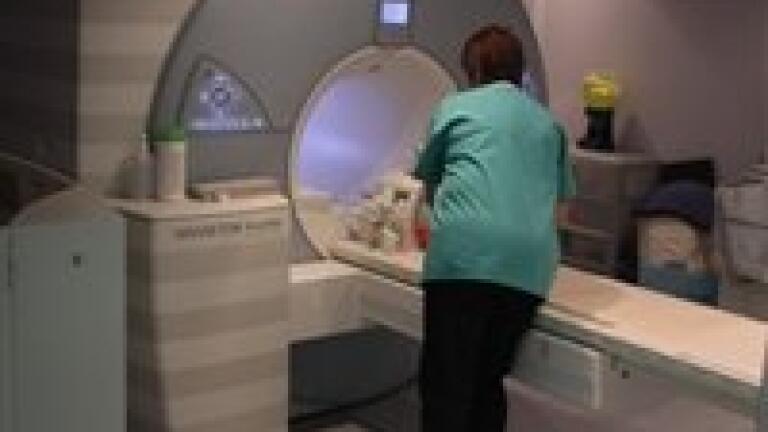
Clinical laboratory IT solutions could process data from nuclear magnetic resonance (NMR) as much as one million times faster than in the past thanks to newly developed systems from Berkeley.
Dr Alexander Pines, a scientist at both the University of California at Berkeley and the Lawrence Berkeley National Laboratory, led a team of researchers looking at new ways to process NMR data.
Their findings are published in the journal Science and were achieved with the support of funding from the US Department of Energy.
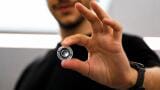
Dr Pines and his cohort used image compression algorithms similar to those available in home computers, remote instrumentation and a lab-on-chip device for microfluidic analysis.
With much faster and better NMR imaging, he suggests that applications in
clinical laboratory IT solutions for both biomedicine and chemistry could be created.
Dr Pines' research separates into two broad strands; the first involves innovating in the fields of NMR and magnetic resonance imaging, while the second applies these innovations in solving real-world problems.

 Product directory