Laboratory products
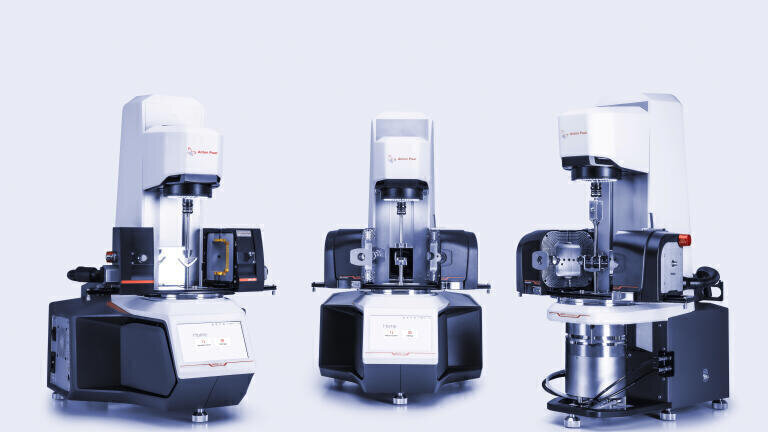
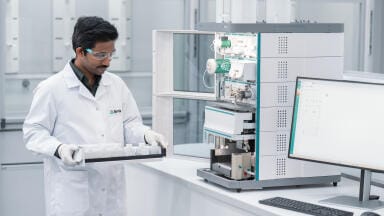
A new generation of rheometers from Anton Paar’s MCR series is redefining how scientists and industry specialists study the flow and deformation of materials. With groundbreaking advances in sensitivity, speed, automation, and modular design, these instruments are set to expand what’s possible in both research and routine testing.
The system delivers exceptional measurement fidelity, detecting torque as low as 0.2 nNm and capturing data at 200 Hz. This sensitivity reveals microscopic changes in material behaviour that were previously invisible, opening up new experimental possibilities.
Speed and productivity also take a leap forward. Instant boot-up, rapid data handling, and simple, one-handed geometry changes ensure that users can move from setup to results faster than ever before - helping laboratories deliver insights at scale.
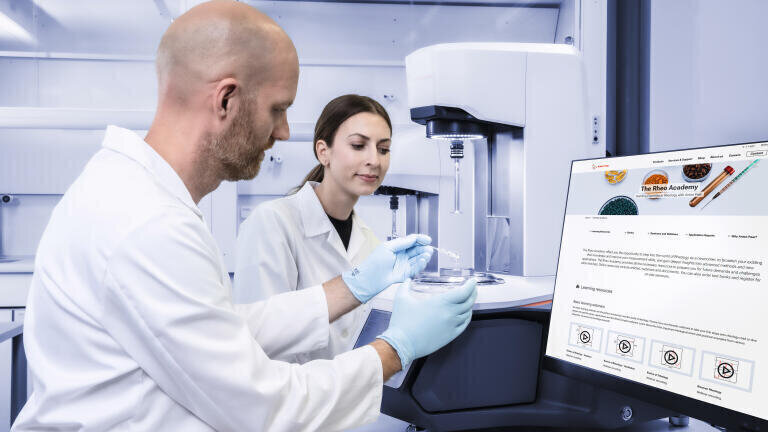
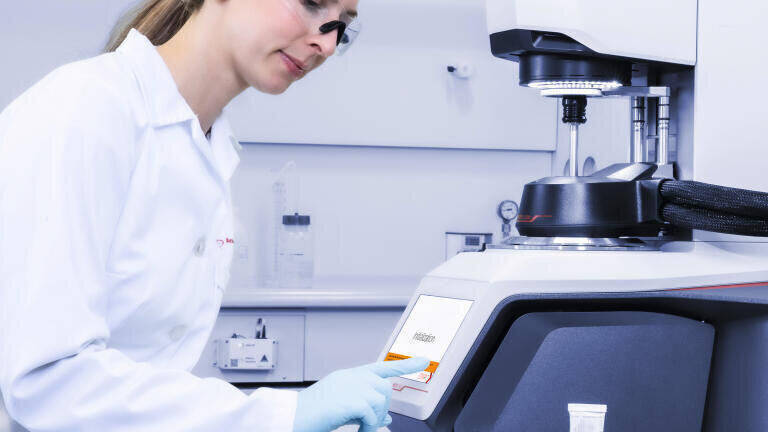
Designed to be smarter and easier to use, the rheometers feature integrated touch controls, Toolmaster for automatic accessory recognition, and the intuitive RheoCompass software that guides researchers step by step through complex protocols. These features reduce setup time and allow scientists to focus on data and discovery.
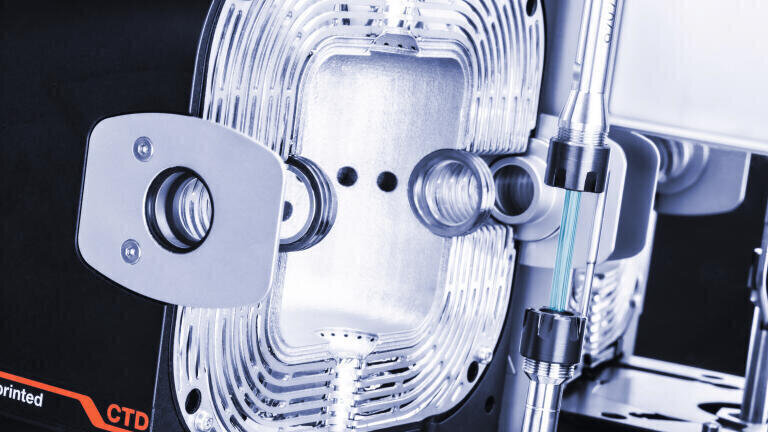
The instruments are built for maximum adaptability, with a modular design that accommodates a wide variety of test modes and can operate across an extensive temperature range. From powder rheology and polymer dynamics to tribology and optical rheometry, the system can be configured to handle both current experiments and future research challenges.
With tens of thousands of systems already deployed worldwide and backed by a global support network, this latest generation sets the stage for a new era in material characterisation - one where precision, speed, and versatility come together in a single platform.
The next-generation MCR models are now available through Anton Paar’s global distribution network. For detailed specifications, application notes, or to arrange a live demonstration, visit the website or contact your local Anton Paar representative.
More information online
ILM 51.6 Sept 2026



 Product directory

















.jpg)
.jpg)
.jpg)


.jpg)
