Laboratory products
Published over 4 years ago. See the latest and most current information on Laboratory products.
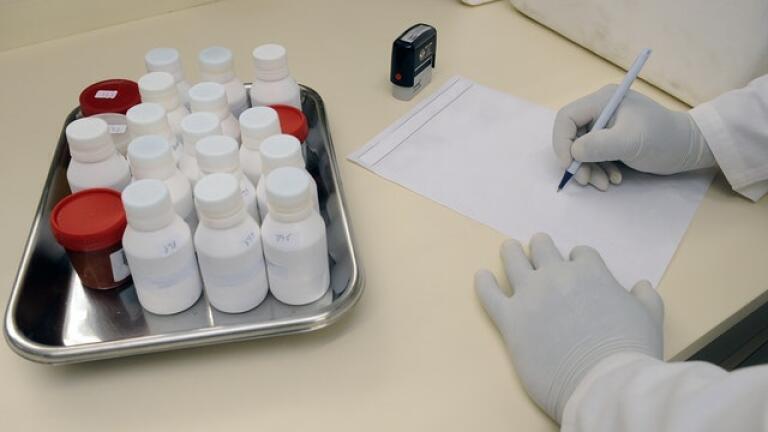
Clinical samples play a critical role in diagnosing diseases, detecting viruses and designing medication plans. While incredibly useful, specimens such as blood, tissue and serum samples must be handled with extreme caution. Unsurprisingly, the rules are especially strict for potentially infectious samples. Read on to find out more about the precautions needed for transporting clinical samples, including guidance from internationally recognised organisations such as WHO.
The World Health Organisation (WHO) Guidelines for the Safe Transport of Infectious Substances and Diagnostic Specimens cover best-practice procedures for both national and international sample transportation. As well as a heavy focus on safety, the guidelines underscore the importance of clear and streamlined communication between all parties involved in transportation, including the sender, carrier and receiver. The guidelines also cover packaging, a key factor to consider when transporting clinical samples.
“The packaging of infectious materials for transport must therefore address these concerns and be designed to minimise the potential for damage during transport. In addition, the packaging will serve to ensure the integrity of the materials and timely processing of specimens,” read the WHO guidelines.
As well as adhering to national and international guidelines, transporters must meet regulations enforced by local authorities. For example, the Handling and Transport of Clinical Specimens Procedure published by Public Health Wales offers clear guidance on “practices that enable the safe collection, transport and delivery of clinical specimens and samples.”
In London, potentially infectious clinical samples being sent by GPs working at the King's College Hospital NHS Foundation Trust to testing labs must be prepared in line with UN standard Packaging Instruction (PI) 650. This includes the following requirements:
If a clinical sample is classed as “infectious” additional precautions may be necessary when making transport arrangements. In the UK, the Government Department for Transport defines infectious samples as “substances which are known or reasonably expected to contain pathogens which are defined as micro-organisms (including bacteria, viruses, rickettsiae, fungi), plasmids and other agents such as prions, which can cause disease in humans or animals.” The department offers easy-to-access guidance on transporting infectious substances, including Category A pathogens such as Anthrax and Ebola virus.
Throughout the UK, the Health and Safety Executive (HSE) offers guidance on how to streamline the transport of clinical samples. This includes detailed documents designed to minimise and manage the risk of infection in laboratories.
Transporting clinical samples is a complex and highly specialised field, with extra precautions necessary for potentially infectious specimens. Find out more about the process in ‘Sample Transportation in Laboratory Explained.’
ILM 51.6 Sept 2026




 Product directory


.jpg)











.jpg)