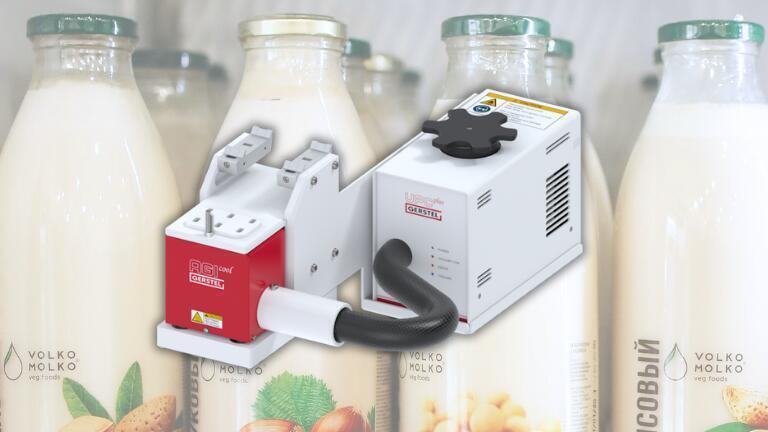
-and-Vac-HS-SPME-(Blue).jpg)
-and-Vac-HS-SPME-(top).jpg)
Laboratory products
Analysis of volatile organic chemicals has been a cornerstone of GC and GC/MS since its inception. The list of sample introduction techniques is extensive – static and dynamic headspace, purge-and-trap, different flavours of microextraction, direct analysis, thermal extraction/desorption, and it goes on. Why so many? There again is a long list of reasons - challenging matrix, differing analytical needs such as quantitation vs identification, requirements for speed and throughput, ruggedness and more. This leaves the balancing of analytical parameters for such testing a difficult task, and many methods exist on a knife-edge of optimal performance.
Headspace (HS) analysis remains a ubiquitous method of analysis due to its general simplicity and cleanliness. When testing the air above a sample, the instruments simply stay cleaner, which then provides benefits in uptime and reliability. Further enrichment of headspace using tools such as solid-phase micro-extraction (SPME) can solve some of the challenges around sensitivity that hinder headspace sampling, but can introduce bias based on the choice of phase, and add complexity as two equilibria need balancing during method optimisation.
This application note discusses another advancement - the use of vacuum to improve the process of headspace extraction. Henry's law governs how much of a certain volatile chemical is present in the headspace above a liquid in which it is dissolved. By applying a vacuum above the liquid drives the equilibrium towards that headspace, potentially providing better recoveries. In particular, those with higher boiling points were found to extract more easily. Also another benefit was found: extraction at lower temperatures and times was possible.
Generally headspace techniques require long agitation and heating to provide consistent results. Vac-HS-SPME was shown to extract relevant flavour compounds from dairy samples at much lower temperatures and times in this application note, particularly relevant when heating or long preparations can change the nature of the sample and introduce artefacts, such as through the Maillard reaction.
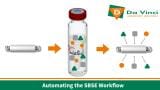
The automation of this technique is fundamental to its application in real-world settings. Just-in-time sample preparation improves reproducibility, and enables vacuum assisted headspace techniques to be used at scale, rather than purely in research settings.
There remains one possible drawback of Vac-HS-SPME, a limitation common to the SPME fibre: the total transfer of mass is limited by the volume of the fibre. It can only adsorb so much material. But the application of vacuum has been shown to provide a great deal of value in the extraction, so can we apply it to other, more dynamic headspace techniques? We will explore this in another note later this year.
One conclusion is clear from the developments in these techniques. We need to ask, is our extraction strategy limiting our sample analysis? Can we unlock richer, more authentic chemical information with the application of newer techniques? Unlock deeper insights on extraction and contact the team of Da Vinci Laboratory Solutions UK & Ireland.
ILM 51.6 Sept 2026




 Product directory

















.jpg)
.jpg)