Laboratory products
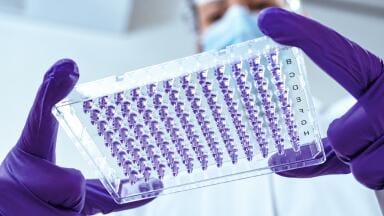
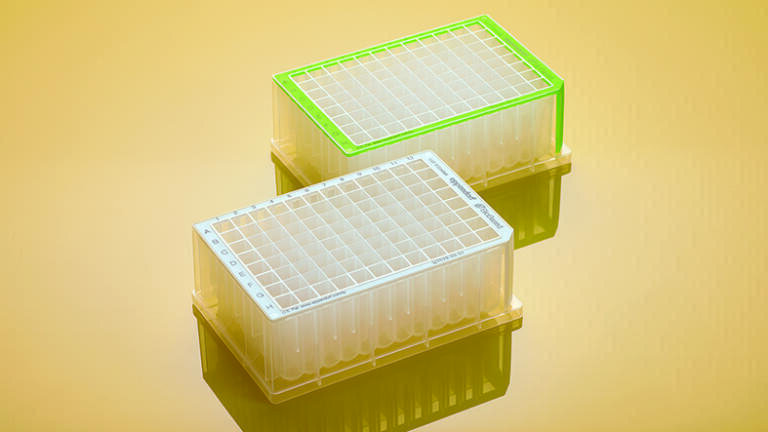
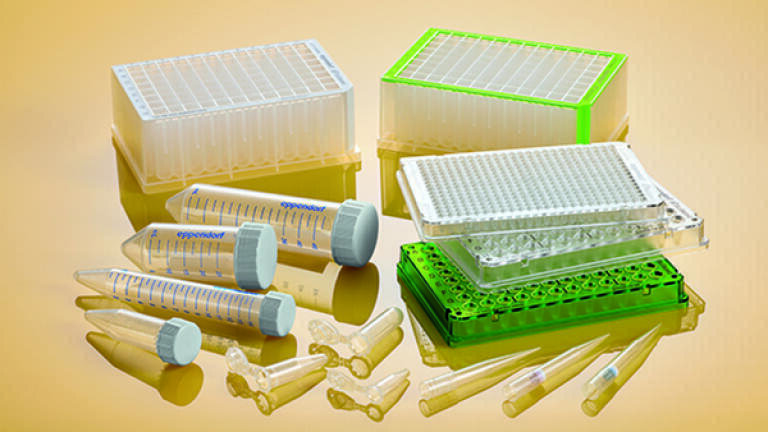
Eppendorf has introduced Deepwell Plates BioBased, expanding its portfolio of sustainable laboratory consumables. Manufactured using a minimum of 95% second-generation feedstock (via a mass-balance approach), the new plates are designed to reduce reliance on fossil-based plastics while maintaining the performance standards laboratories expect.
The feedstock is derived from non-food biomass, supporting more responsible resource use without competing with food production. Despite their renewable origin, the BioBased Deepwell Plates deliver the same chemical resistance, temperature tolerance and centrifugation stability as conventional fossil-based alternatives. This ensures laboratories can integrate more sustainable materials into existing workflows without compromising reliability or reproducibility.
The newly launched format features 96 wells with a 2 mL working volume per well, with additional formats planned. The plates are particularly suited to proteomics applications thanks to their high purity grade (PCR clean and protein-free). They are compatible with automated systems and standard laboratory equipment, making them suitable for high-throughput screening, sample storage and compound library applications.
To support quality assurance and compliance, each plate is laser-engraved with a lot number and expiry date for full traceability. The product is externally ACT certified by MyGreenLab®, and Eppendorf’s production facility is certified according to ISCC PLUS standards.
More information online
ILM 51.6 Sept 2026



 Product directory