Laboratory products
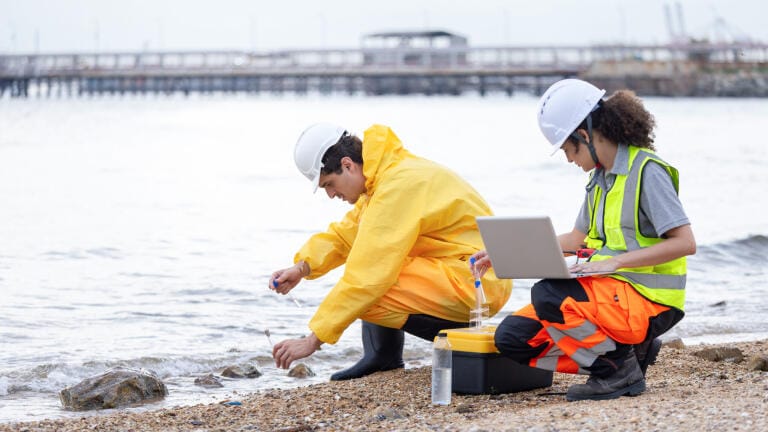
A new graphene-based sensing platform could help accelerate PFAS monitoring by bringing analysis closer to the point of need. Developed by Grapheal, the PFAST system is designed to provide rapid detection of per- and polyfluoroalkyl substances (PFAS) in water, supporting more frequent testing as regulatory requirements continue to evolve.
PFAS, often referred to as ‘forever chemicals’, are a broad group of persistent compounds that have been widely used in industrial and consumer applications. Their stability and widespread presence in the environment have increased demand for reliable monitoring methods, particularly in drinking water and wastewater management.
Current PFAS analysis typically relies on laboratory-based techniques such as liquid chromatography-tandem mass spectrometry (LC-MS/MS). While highly sensitive, these methods require specialised equipment and laboratory workflows. Grapheal’s PFAST platform aims to complement established approaches by enabling rapid, field-deployable screening directly at sampling locations.
The compact sensor system uses graphene technology to detect ultra-trace levels of PFAS in complex water samples. By reducing the need for sample transport and lengthy laboratory processing, the platform could help water operators make faster decisions and increase monitoring frequency.
The development is supported by a €2.5 million grant from the European Innovation Council Accelerator programme, which will help advance the technology towards industrialisation. Grapheal’s graphene sensing approach combines a miniature electronic sensor with specialised surface chemistry designed to generate rapid responses for environmental monitoring applications.
As regulations surrounding PFAS continue to tighten worldwide, the need for faster and more accessible analytical solutions is increasing. Portable sensing technologies could provide an additional tool for environmental laboratories and water management organisations seeking to improve contaminant surveillance.
More information online
ILM 51.6 Sept 2026



 Product directory


.jpg)
.jpg)










.jpg)
.jpg)
.jpg)





.jpg)
